Helpline 0208 569 6444
Send email [email protected]
Address The Old Pumping Station, Pump Alley, Brentford, TW8 0AP
Latest Islamic resources

The Importance of Last Ten Nights of Ramadan

Every Ramadan is a gift. But within that gift lies something even more precious, the last ten nights. These are not ordinary nights. They are the most blessed nights in the entire Islamic calendar. The gates of mercy are wide open. The angels descend to the earth. And hidden among these nights is a single night worth more than an entire lifetime of worship.

Yet many of us reach these final nights exhausted and unfocused. We spend the first twenty days fasting and praying, and by the time the last ten arrive, our energy fades. This is exactly the opposite of what we should do. The Prophet Muhammad (⁠ﷺ) saved his greatest effort for these very nights. He would tighten his waist belt, stay awake through the darkness, and wake his entire family for worship.

If you have struggled with the first part of Ramadan, these ten nights are your chance to turn everything around. And if your Ramadan has been strong so far, these nights are where you can reach heights you never imagined possible.

Why the Last Ten Nights Hold Even More Significance

Ramadan is already the most blessed month on the Islamic calendar. Allah multiplies every good deed by at least seventy. Fasting purifies the soul. The Qur’an was revealed during this month. But the last ten nights hold even more significance than the rest of Ramadan combined.

There are three reasons for this.

First, these nights contain Laylat al-Qadr, the Night of Decree. Allah (SWT) describes this single blessed night as better than a thousand months. Every prayer you make, every pound you give in charity, and every tear you shed in repentance carries the weight of over 83 years of continuous worship. No other time in the year offers this.

Second, these are the nights when Allah’s mercy and forgiveness reach their peak. The Prophet (⁠ﷺ) described Ramadan as a month divided into three parts and the final part is salvation from the Hellfire.

Third, these are the nights when your destiny for the coming year is written. On the Night of Decree, Allah (SWT) determines matters of life, death, provision, and fate. Your sincere dua during these nights could shape the entire course of your next twelve months.

The Three Ashras of Ramadan

Islamic tradition divides Ramadan into three periods of roughly ten days each. These are called the three ashras. Each ashra carries its own spiritual focus:

First Ashra (Days 1–10): Rahma – Mercy. The opening days of Ramadan are bathed in the mercy of Allah. Muslims begin their fast, adjust their routines, and open their hearts to receive Allah’s abundant blessings and compassion.

Second Ashra (Days 11–20): Maghfirah – Forgiveness. The middle days shift the focus towards seeking forgiveness for past sins. This is the time to make sincere repentance, mend broken relationships, and ask Allah to wipe your slate clean.

Third Ashra (Days 21–30): Nijaat – Salvation from the Hellfire. The final ten days are the most intense and most rewarding. This is the period of salvation – protection from the punishment of the Hellfire. It is during this ashra that Laylat al-Qadr falls, making these the most sacred nights of the entire year.

Understanding this structure helps you approach the last ten nights with the right mindset. You are not simply “finishing” Ramadan. You are entering its most powerful phase – the phase that can save you from the Fire and earn you a place in Jannah.

How the Prophet Muhammad (⁠PBUH) Spent the Last Ten Nights

The best example of how to approach these sacred nights comes from the beloved Prophet (⁠ﷺ) himself. His practice during the last ten days was noticeably different from the rest of Ramadan.

Aisha (RA) reported:

When the last ten days of Ramadan arrived, the Prophet (⁠PBUH) would tighten his waist belt, spend the night in worship, and wake his family.”

(Sahih al-Bukhari)

The phrase "tighten his waist belt" is an Arabic expression meaning he became fully serious and devoted. All worldly affairs were set aside. There was no socialising, no relaxing, and no taking it easy. The Prophet (ﷺ) treated these nights as the most important opportunity of the year.

Along with his own worship, he would wake his family – his wives, his daughters, and his household, so that none of them would miss the immense blessings of these nights.

Aisha (RA) also said:

“The Prophet (PBUH) would exert himself in worship during the last ten days more than at any other time.”

(Sahih Muslim)

If the most beloved person to Allah dedicated his greatest effort to these nights, we should ask ourselves, what are we doing with ours?

I’tikaf – The Forgotten Sunnah of the Last Ten Days

One of the most powerful acts of worship during the last ten days is I’tikaf – a spiritual retreat where you seclude yourself in the mosque and devote your time entirely to Allah. The Prophet (PBUH) practised I’tikaf every year during the last ten days of Ramadan without exception.

“The Prophet (⁠PBUH) used to observe I’tikaf in the last ten days of Ramadan until Allah took his soul. Then his wives continued this practice after him.”

(Sahih al-Bukhari)

During I’tikaf, you withdraw from worldly affairs completely. No phone scrolling, no casual conversations, no errands. Your entire existence for those days revolves around prayer, Qur’an, dhikr, and dua. It is the ultimate act of spiritual cleansing.

Who Can Observe I’tikaf?

Both men and women can observe I’tikaf. Men traditionally do it in the mosque. Women can observe it in a dedicated prayer space at home or in a section of the mosque, depending on local arrangements. The Sunnah is to observe it for the full ten days, but even one or two days of I’tikaf can bring tremendous reward.

What If I Cannot Do Full I’tikaf?

Not everyone can take ten days away from work and family. That is perfectly fine. You can still capture the spirit of I’tikaf by dedicating specific hours of the night to focused worship. Turn off your phone from Isha to Fajr. Create a quiet worship corner at home. Even a few hours of undistracted devotion each night can transform your Ramadan.

What Makes Each of the Ten Nights Special?

Many Muslims only pay attention to the 27th night. But every single one of the these nights carries its own blessings and rewards. Here is why each night matters:

The odd nights (21st, 23rd, 25th, 27th, 29th): These are the nights most likely to contain Laylat al-Qadr. The Prophet (PBUH) specifically told us to seek it on the odd numbered nights. Worship performed on any of these nights could carry the reward of a thousand months.

The even nights (22nd, 24th, 26th, 28th, 30th): While the odd nights get more attention, the even nights are still part of the most blessed period of Ramadan. Good deeds on these nights are still multiplied far beyond normal. Do not waste them by only focusing on the odd ones.

The 27th night: This is the most widely observed night across the Muslim world. Many communities hold special congregational prayers and charity drives on this night. While it is not confirmed as the exact date, it holds great significance in Islamic tradition.

The safest approach is to treat every night of the last ten as if it could be the one. Worship each night with sincerity, give charity each night, and make dua each night. This way, you will not miss the blessings no matter which night they fall on.

Best Acts of Worship for the Last Ten Nights

These nights are an open invitation from Allah (SWT). How you respond determines your reward. Here are the most beneficial acts to focus on:

Night Prayer (Qiyam al-Layl)

Standing in night for prayer is the hallmark of these sacred nights. Whether you pray Tarawih in the mosque or Tahajjud at home in the final hours before Fajr, night worship during these ten days holds immense reward. The Prophet (PBUH) said that whoever stands in prayer on the Night of Decree out of sincere faith and hoping for reward will have all his previous sins forgiven. (Sahih al-Bukhari)

Seeking Forgiveness and Making Dua

Open your heart to Allah during these nights. Confess your shortcomings. Ask for forgiveness for the sins you remember and the ones you have forgotten. Make dua for your family, your community, and the entire Ummah. These are the nights when Allah’s mercy is at its peak and prayers are most likely to be answered.

Reciting and Reflecting on the Qur’an

The Qur’an was revealed during these nights. Honour that connection by spending time with the Book of Allah. Read it, understand it, and let its words soften your heart. Even a few verses read with deep reflection can be more powerful than pages read without thought.

Dhikr and Istighfar

Keep your tongue busy with the remembrance of Allah throughout the night. SubhanAllah, Alhamdulillah, La ilaha illallah, Allahu Akbar, and Astaghfirullah – these simple phrases carry massive weight during these blessed nights. Fill every quiet moment with dhikr.

Giving Charity

Charity given during the last ten nights of Ramadan is multiplied far beyond its face value. If your donation happens to fall on Laylat al-Qadr, the reward is as if you gave that same act of charity every day for more than 83 years. This is why many Muslims spread their Zakat and Sadaqah across all ten nights, to guarantee they catch the blessed night.

The Last Ten Nights as a Time of Spiritual Cleansing

Think of these nights as a deep reset for your soul. Throughout the year, we accumulate spiritual dir, missed prayers, careless words, moments of ingratitude, and sins we may not even recognise. Ramadan begins the process of cleaning, but these ten nights bring it to completion.

This is why the third ashra is called Nijaat – salvation. It is not just about avoiding punishment. It is about emerging from Ramadan as a renewed person and fasting has disciplined your body. The prayer has softened your heart and the charity has loosened your attachment to material things. Now, in these final nights, you have the chance to seal it all with sincere repentance and total devotion.

The scholars of Islam used to say that the condition of a person after Ramadan reveals whether their Ramadan was accepted. If you come out of these ten nights with a lighter heart, a stronger connection to Allah, and a genuine desire to be better, that is a sign of acceptance. And that transformation begins here, in these sacred nights.

Transform Lives During the Most Blessed Nights

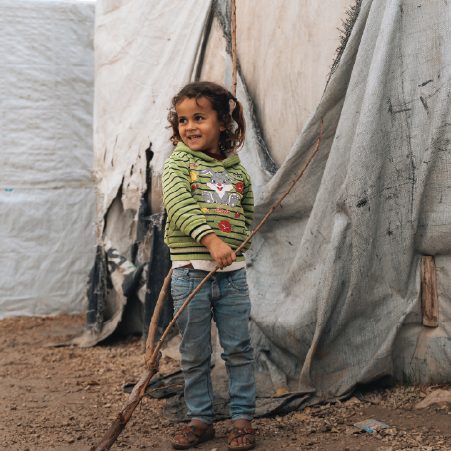
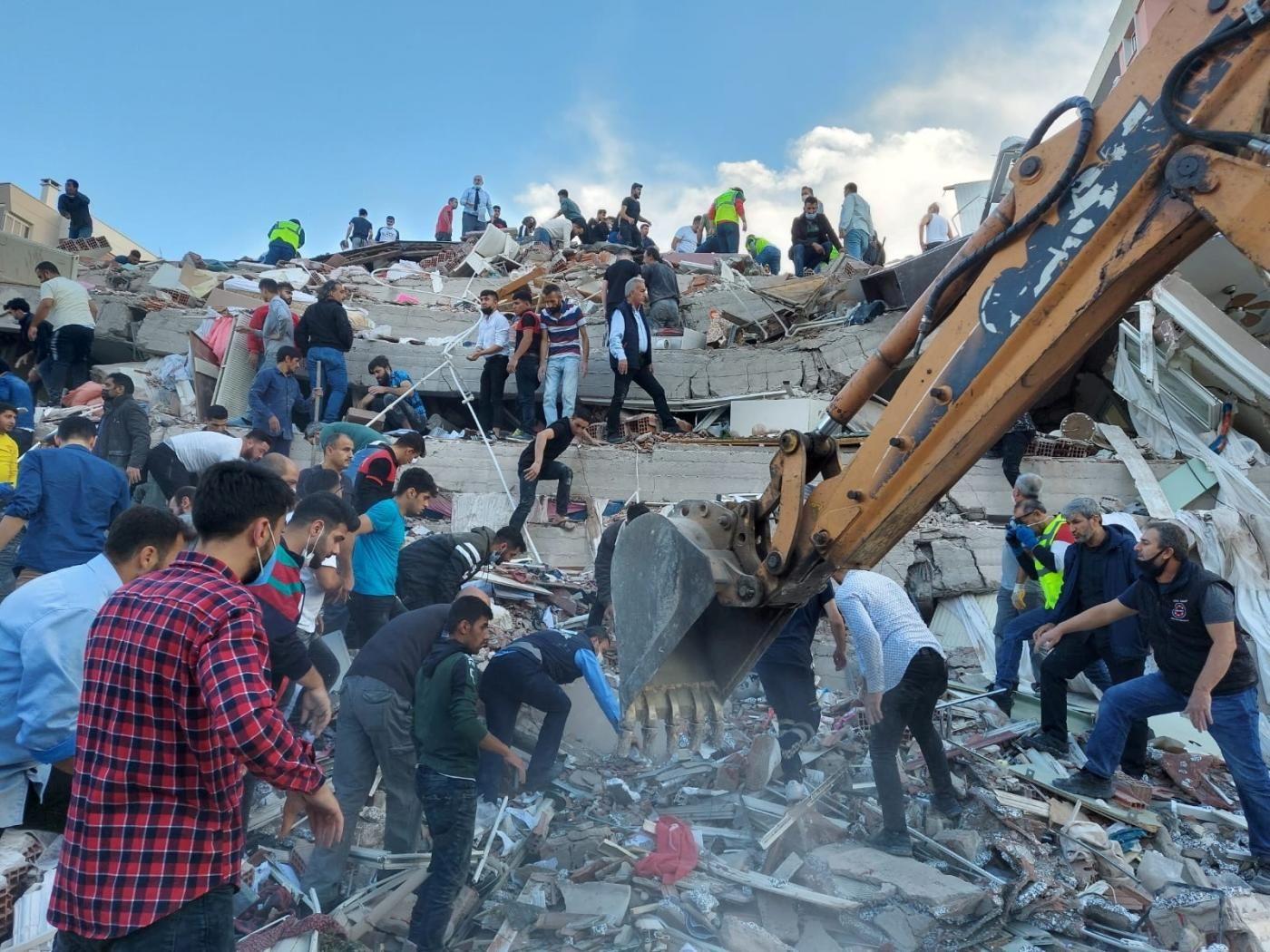
While you are focused on your own spiritual journey, millions of people around the world are spending these same nights hungry, homeless, and in pain. For them, your charity is not just a donation – it is the answer to their desperate prayer.

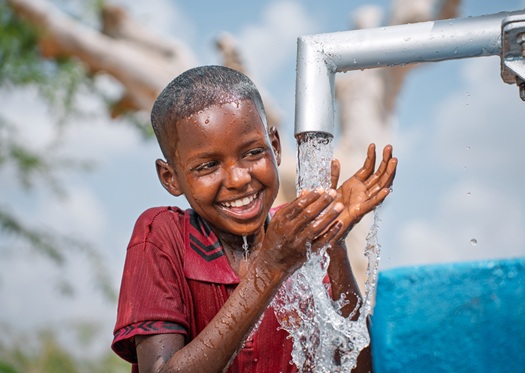
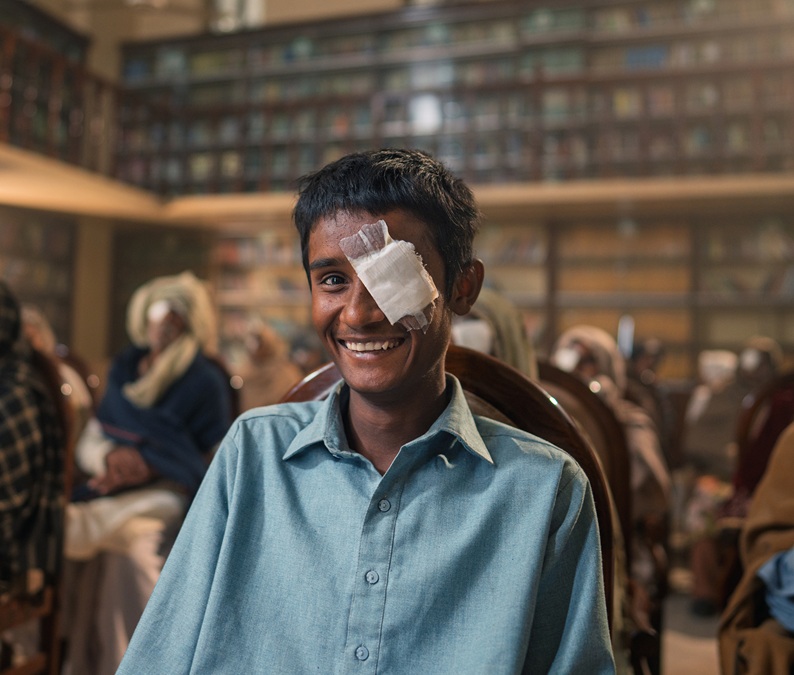
We deliver your charity where it is needed most. From restoring sight through cataract surgeries to building water wells for thirsty communities, from feeding families who have nothing to sponsoring orphans who have lost everything – your donation during these blessed nights does not just earn you reward. It changes someone’s entire life.

The smartest way to give during these nights is to spread your donations across every night. This guarantees your charity falls on Laylat al-Qadr, no matter which night it is. Our My Ten Nights platform lets you automate this. Set your amount once, and we handle the rest while you focus on worship.