Helpline 0208 569 6444
Send email [email protected]
Address The Old Pumping Station, Pump Alley, Brentford, TW8 0AP
Latest Islamic resources

How to Prepare for Laylat ul Qadr 2026

The last ten nights of Ramadan are almost here, and with them comes the most blessed night of the entire year, Laylatul Qadr. But here is the question many of us face every single Ramadan: we know this night is coming and it is better than a thousand months, yet how many of us actually prepare for it properly?

Most of us reach the last ten nights feeling exhausted from fasting, overwhelmed by daily life, and unsure of exactly what to do. We stay up late, feel sleepy during prayer, and by Fajr, we wonder if we truly made the most of it.

This year, let that change. This guide will help you to prepare for Laylatul Qadr, before it arrives, during the precious nights themselves, and the common mistakes you need to avoid. Whether you can dedicate the whole night to worship or only spare thirty minutes before Fajr, this guide is for you.

Step 1:

Prepare Before the Last Ten Nights Begin

Preparation for Laylatul Qadr does not start on the 21st night. It starts now, days before the last ten nights even begin.

Set Your Intentions (Niyyah)

Before anything else, sit down quietly and set a clear intention. Why are you staying up? What do you want from Allah (SWT) on these blessed nights? Write it down if you need to. Having a clear niyyah changes the entire quality of your worship. You are not just “staying awake”, you are actively seeking Allah’s Almighty mercy, forgiveness, and the immense reward of Laylatul Qadr.

Make a Personal Dua List

One of the biggest regrets people have after Laylatul Qadr passes is that they could not think of what to ask for when the moment came. Do not let that happen to you. Sit down this week and write a personal dua list. Include everything, big and small:

•       Forgiveness for specific past sins and past mistakes you want to repent from

•       Duas for your parents, spouse, children, and family

•       Health, provision, guidance, and protection

•       Duas for the suffering Ummah - those in Gaza, Sudan, Syria, Yemen, and beyond

•       Anything personal that weighs on your heart

Keep this list with you during every night of worship. When you are in sujood or raising your hands in dua, pull it out and read from it. This way, you will never run out of things to ask the All Forgiving, Most Merciful Lord.

Arrange Your Schedule around the Nights

Look at your calendar for the last ten days of Ramadan right now. Can you take time off work? Can you reduce social commitments? Can you arrange childcare or share household duties with your spouse? The Prophet (⁠ﷺ) would strive hard during these nights more than any other time of the year. You do not need to quit your job, but even small adjustments, like sleeping an hour earlier so you can wake before Fajr, can make a massive difference.

Settle any Disputes or Grudges

Unresolved conflict blocks the acceptance of dua. If there is someone you have wronged, apologise before the last ten nights arrive. If someone has wronged you, try to forgive them in your heart. Go into these precious nights with a clean heart, free from anger and bitterness, so that nothing stands between you and Allah’s mercy.

Step 2:

Prepare Your Body for Worship

Worshipping Allah Almighty throughout the night requires physical energy. Many people fail to make the most of Laylatul Qadr simply because their body gives out before the night begins. Here is how to prepare physically:

Eat a Light Iftar

Heavy food at iftar is the number one reason people cannot stay awake for worship. When you overeat, your body diverts all its energy to digestion, leaving you drowsy and sluggish by Isha time. On the nights you plan to worship, eat a light, balanced iftar, dates, soup, grilled chicken, vegetables, and water. Avoid wasting energy on heavy fried foods and excessive sweets.

Take a short Nap before Maghrib or after Tarawih

The Prophet Muhammad (PBUH) encouraged taking short naps (qaylulah) to help with night worship. If you can, rest for 30 to 60 minutes in the afternoon before iftar, or take a brief nap after Isha/Tarawih before starting your late-night worship. Even a 20-minute power nap can give you the energy to worship until Fajr.

Wear Clean Clothes and Use Fragrance

This may seem small, but it matters. Wearing clean clothes and applying fragrance (for men) before worship puts you in the right mindset. You are about to stand before the King of Kings. Dress as if you are going to the most important meeting of your life, because in a sense, you are. The Prophet (PBUH) always encouraged cleanliness and looking presentable for worship.

Stay Hydrated

Keep a bottle of water next to your prayer spot. You will be reciting Qur’an, making dhikr, and praying for hours. Dehydration causes headaches and fatigue. Sip water between sets of prayer to keep your energy up and your throat comfortable.

Step 3:

Your Night-by-Night Worship Plan

Having a structured plan prevents you from wasting time wondering what to do next. Below is a practical worship plan that works whether you can dedicate the whole night or only a few hours. Adjust it to your personal capacity, Allah does not burden a soul beyond what it can bear.

Phase 1: Maghrib to Isha (When the Night Begins)

•   Break your fast with a light iftar and make the dua for breaking fast

•   Pray Maghrib salah with full focus and khushoo (concentration)

•   Recite your adhkar (evening supplications)

•   Make a short personal dua from your list, the moment of breaking fast is a time when dua is accepted

Phase 2: Isha and Tarawih

•   Pray Isha in congregation if possible

•   Pray Tarawih (8 or 20 rakats depending on your practice) with focus

•   After Tarawih, do not rush home. Take 10 minutes to make personal dua in the masjid

Phase 3: Late Night – The Most Precious Hours

This is the time between Tarawih and the last third of the night. Many people go home and sleep during this window. But if you can stay awake even partially, this is where immense reward lies.

•   Recite the Holy Qur’an, even 2 to 3 pages with understanding and reflection

•   Make extended dhikr: SubhanAllah, Alhamdulillah, Allahu Akbar, La ilaha illallah

•   Repeat Istighfar (Astaghfirullah), seeking forgiveness is one of the most beloved acts to Allah (SWT)

•   Give charity online, schedule a donation through your phone so your charity is given while you focus on prayer

Phase 4: The Last Third of the Night (Tahajjud Time)

This is the most powerful time of the entire night. Allah (SWT) descends to the lowest heaven in the last third of every night and asks: “Is there anyone calling upon Me, so that I may answer? Is there anyone seeking forgiveness, so that I may forgive?” (Sahih al-Bukhari)

On Laylat al Qadr, this window carries unimaginable weight. Here is what to do:

•   Pray Tahajjud, even 2 rakats with long sujood is enough. You do not need to pray 20 rakats to earn reward

•   In your sujood, pour your heart out. Cry to Allah. Ask for everything on your dua list

•   Repeat the Laylatul Qadr dua taught by the Prophet (PBUH): "Allahumma innaka ‘Afuwwun tuhibbul-‘afwa fa’fu ‘anni" – O Allah, You are All Forgiving and You love forgiveness, so forgive me. (Sunan at-Tirmidhi)

•  Make sincere repentance (tawbah), feel regret for your sins, ask Allah (SWT) to forgive them, and resolve not to return to them.

Phase 5: Suhoor to Fajr

•   Eat suhoor with the intention of gaining strength for worship

•   Pray Fajr in congregation, this completes your night of worship and the angels record it

•   After Fajr, make one final round of dua before resting

Step 4:

Best Duas to Make During the Last Ten Nights

Dua is the weapon of the believer, and on Laylatul Qadr, your duas carry immense reward. Besides the famous dua taught by the beloved Prophet (⁠ﷺ) that we mentioned above, here are categories of duas you should focus on across the last ten nights:

Duas for Forgiveness

Ask Allah to forgive all your past sins, the ones you remember and the ones you have forgotten. Ask for sincere repentance and the strength to stay away from sin after Ramadan ends. Say Astaghfirullah frequently. The Prophet (⁠ﷺ) himself used to seek Allah's forgiveness more than 70 times a day, even though he was sinless.

Duas for Your Family

Pray for your parents, whether they are alive or have passed away. Ask Allah to grant your children guidance and protection. If you are unmarried, ask for a righteous spouse. If your family is going through difficulty, ask Allah to bring ease and unity. These are the duas that come from the deepest part of your heart, and Allah (SWT) loves to answer them.

Duas for the Ummah

We cannot make dua on the most powerful night of the year and forget our brothers and sisters who are suffering. Pray for the people of Gaza, Sudan, Syria, Yemen, and every corner of the world where Muslims face oppression, hunger, and injustice. Ask Allah to bring them relief, protect their children, and grant them patience and victory.

Duas for the Afterlife

Ask Allah for Jannah (Paradise) and protection from the punishment of the Hellfire. Ask to be among those who are saved on the Day of Judgement. These are the duas that carry the most eternal weight, never leave them out.

Duas for Guidance and Closeness to Allah

Ask Allah to keep you guided after Ramadan ends. Ask Him to make worship easy for you, to strengthen your iman, and to bring you closer to Him. One of the greatest blessings you can ask for is istiqamah, consistency in your faith long after Ramadan is over.

Step 5:

Involve Your Whole Family

Laylatul Qadr is not just for adults. The Prophet (PBUH) would wake his family during the last ten nights. Here are practical ways to involve everyone:

•   For young children (5–10): Give them a simple dua card with 3 duas to memorise. Let them stay up a little later and make dua with you. Explain the concept of Laylatul Qadr in words they understand, “Tonight, Allah gives us extra rewards for every good thing we do!”

•   For teenagers: Encourage them to set their own worship goals, maybe reading a certain number of Qur’an pages, or making a personal dua list. Pray Tahajjud together as a family.

•  For your spouse: Support each other. Take turns with childcare so each of you gets uninterrupted worship time. Make dua for each other.

•   For elderly parents: Help them stay comfortable. Bring them water, set up a comfortable seating area for dhikr, and make dua on their behalf.

Step 6:

Common Mistakes to Avoid on Laylatul Qadr

Every Ramadan, people make the same mistakes during the last ten nights and end up missing the full benefit of this powerful night. Be aware of these so you can avoid wasting this opportunity:

Mistake 1: Only focusing on the 27th night.

Many Muslims only make serious effort on the 27th and relax on the other nights. The Prophet (⁠PBUH) said to seek Laylatul Qadr in the odd numbered nights of the last ten days. If it falls on the 23rd or 25th and you skipped those nights, you have missed it. Spread your worship across all the odd nights at minimum.

Mistake 2: Staying awake but not actually worshipping.

Some people stay awake the entire night but spend it chatting at the mosque, scrolling their phone, or eating. Being physically awake is not the same as worshipping Allah Almighty. Even one hour of focused, sincere worship is worth more than an entire night of distracted wakefulness.

Mistake 3: Avoid wasting time on social media.

Put your phone on silent or leave it in another room. The biggest thief of worship time during the last ten nights is your screen. You can reply to messages after Fajr. These nights come once a year.

Mistake 4: Neglecting dua in favour of only salah.

Salah is beautiful and rewarding, but dua is the essence of worship. Some people pray rakat after rakat but never sit down and truly talk to Allah from their heart. Balance your night between nafl prayers, Qur’an recitation, dhikr, and long heartfelt dua.

Mistake 5: Giving up because you cannot stay up all night.

You do not need to worship from Maghrib to Fajr to earn the reward of Laylatul Qadr. The Prophet (⁠PBUH) said: “Whoever stands in prayer during Laylatul Qadr with sincere faith and hoping for reward will have all his previous sins forgiven.” He did not say you must pray the whole night. Even waking up 30 minutes before Fajr for Tahajjud and dua could be enough if your heart is sincere.

Mistake 6: Forgetting to give charity.

Many people focus only on prayer and forget that Sadaqah on Laylatul Qadr carries a lifetime’s worth of reward. Set up an automated donation across the last ten nights so you never miss giving on the actual night, no matter which one it is.

Step 7:

Make Your Charity Count on Laylatul Qadr

You have prepared your heart, planned your worship, and organised your nights. But there is one act of worship that many people leave until the last minute or forget entirely, charity. And on Laylatul Qadr, forgetting to give chairty means missing one of the easiest ways to earn a lifetime of reward.

Think of it this way: you are already staying awake, already making dua, already reciting Qur'an. Adding charity to your worship plan takes just two minutes on your phone, but those two minutes could count as if you gave charity every single day for over 83 years.

Build Charity into Your Nightly Worship Routine

The smartest approach is to make giving part of your worship schedule, not something you do separately. Here is how to build it into your routine:

  • Before Tarawih: Set a small fixed amount to donate each night. Even £5 or £10 a night across the last ten nights adds up and guarantees you have given on Laylatul Qadr no matter which night it falls on.

  • During your late-night worship (Phase 3): Between sets of dhikr and Qur'an recitation, open your phone and make a quick donation. The act of giving while you are already in a state of worship makes your charity even more sincere.
  • Before Fajr: If you have not given yet that night, donate before you pray Fajr. Do not let a single night of the last ten pass without some form of charity leaving your hands.

Share Your Blessings This Laylatul Qadr

As you prepare for the most powerful night of the year, remember that millions of your brothers and sisters around the world are spending Ramadan without food, clean water, or safety. For them, a simple donation from you could be the answer to their own desperate dua.

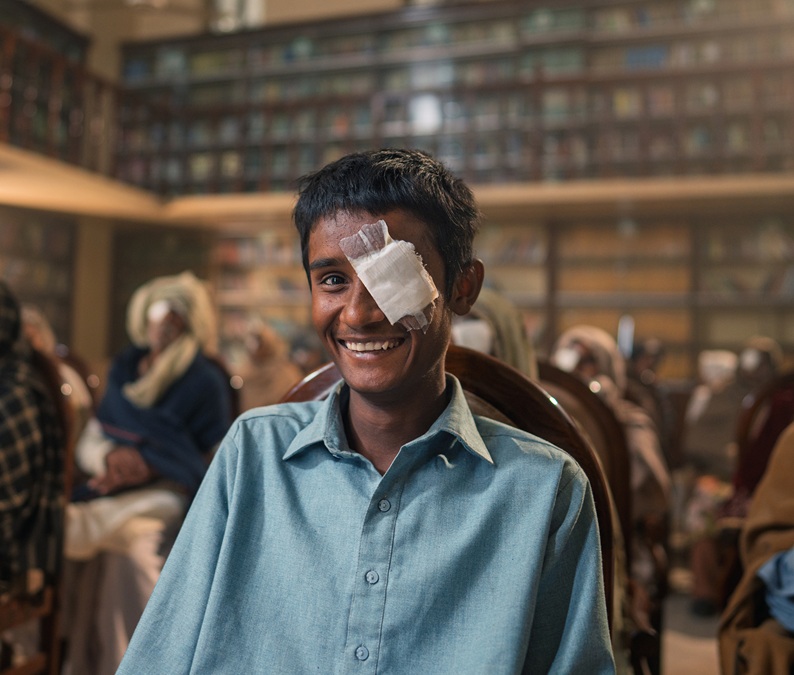
Al Mustafa Welfare Trust delivers your charity directly to families in need, from eye surgeries that restore sight to orphan sponsorships that give children a future. When you give on Laylatul Qadr, your single act of kindness earns you decades of reward while transforming real lives on the ground.

You can automate your donations across the last ten nights with our My Ten Nights platform, so your charity covers every possible night of Laylatul Qadr while you focus entirely on your worship.

Related updates
Latest news & updates from AMWT®
View All News View our blog