Helpline 0208 569 6444
Send email [email protected]
Address The Old Pumping Station, Pump Alley, Brentford, TW8 0AP
Latest Qurbani

Qurbani Case Study – Bibul Mai Story

When was the last time you ate a proper meal?

For most of us, that question feels almost strange , food is never far away. But for Bibul Mai, a mother from Tobha in the remote Cholistan desert, the answer is heartbreaking: almost a year ago.

This Eid ul Adha, your Qurbani donation could be the meal she has been waiting for.

My name is Bibul Mai. I am from Tobha, in Cholistan.

Bibul Mai lives on the edge of survival in the Rohi desert, one of Pakistan’s most isolated and unforgiving landscapes. Her husband and the men of her community work as day labourers, earning between 100 and 200 rupees on a good day. Most days, even buying a small bag of lentils is out of reach.

There are no nearby shops. To buy even the most basic necessities, the women walk long distances under the desert sun. When food runs short, they survive on wild herbs and the pods of the Jand tree (Prosopis cineraria). Sometimes, the only thing in the pot is water, chilies, and salt.

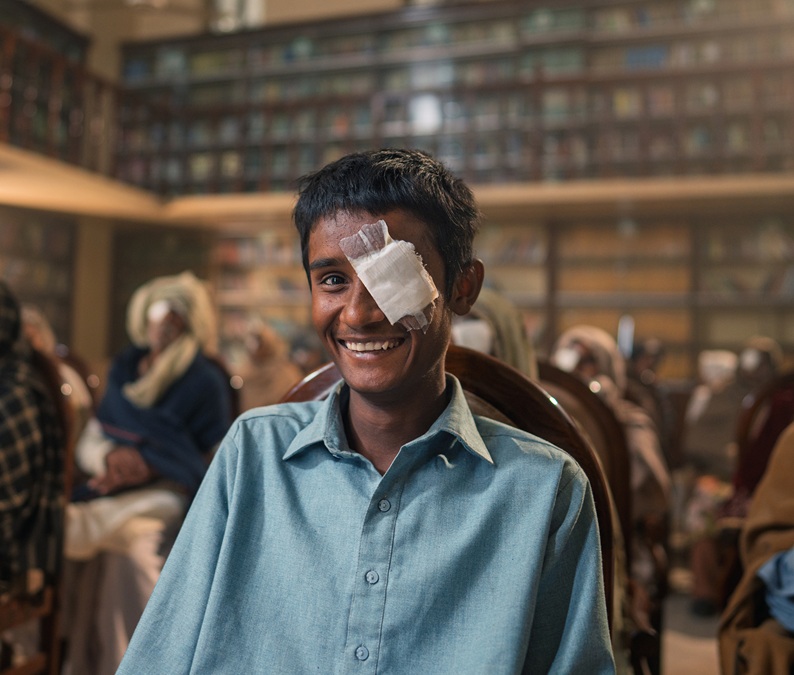
 

“We have not eaten meat or any nourishing food for a very long time,”

she says quietly.

At night, the family sleeps in makeshift huts, no proper rooms, no walls to keep out the cold desert nights. They eat together whatever the day provides. On some days, that is nothing more than a cup of tea.

The Impact of Your Qurbani!

Nearly a year without a nutritious meal. That is the reality for Bibul Mai, her children, and thousands of families like hers across rural Pakistan.

Your Qurbani is not just a religious obligation, it is a lifeline.

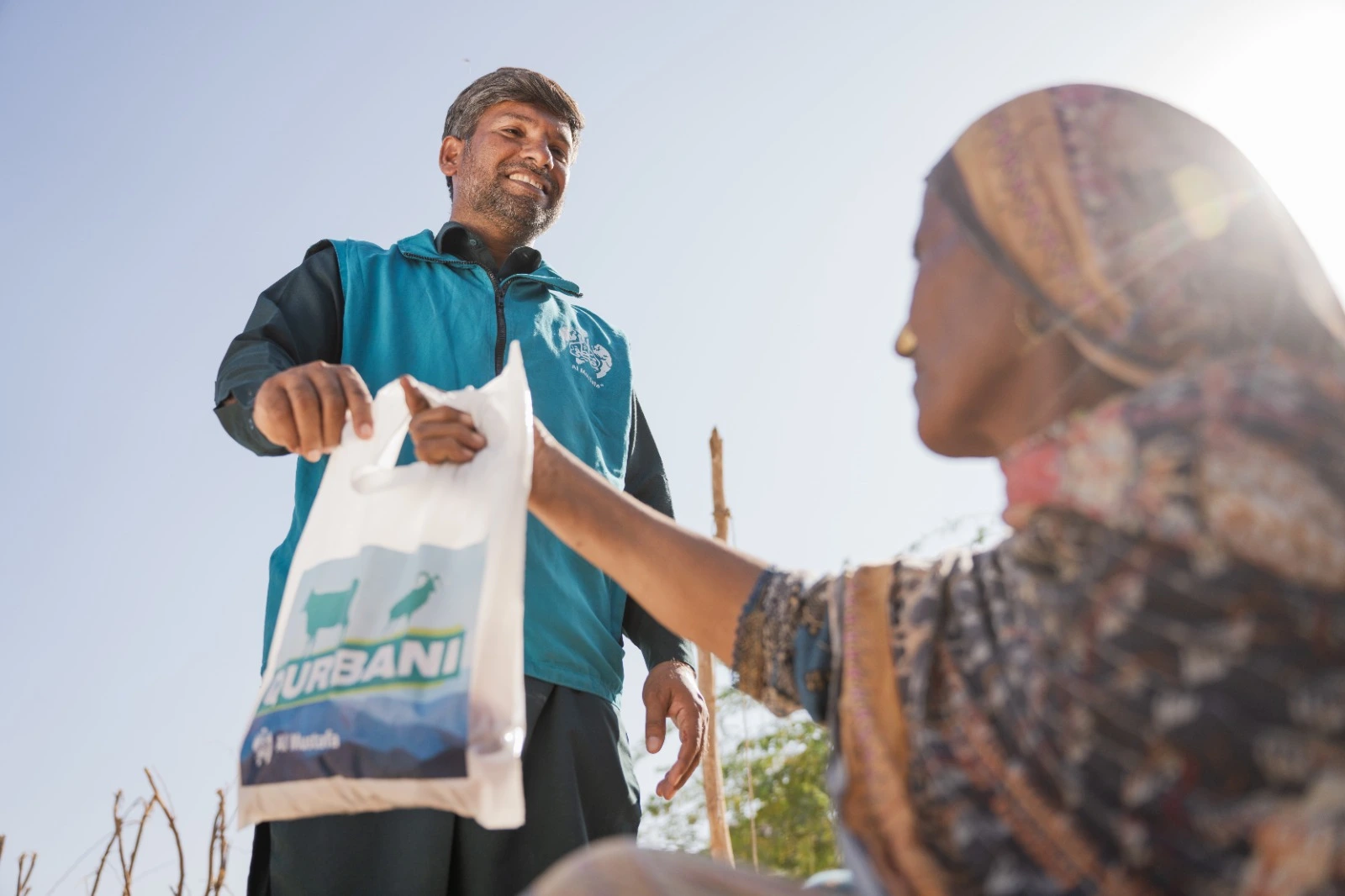
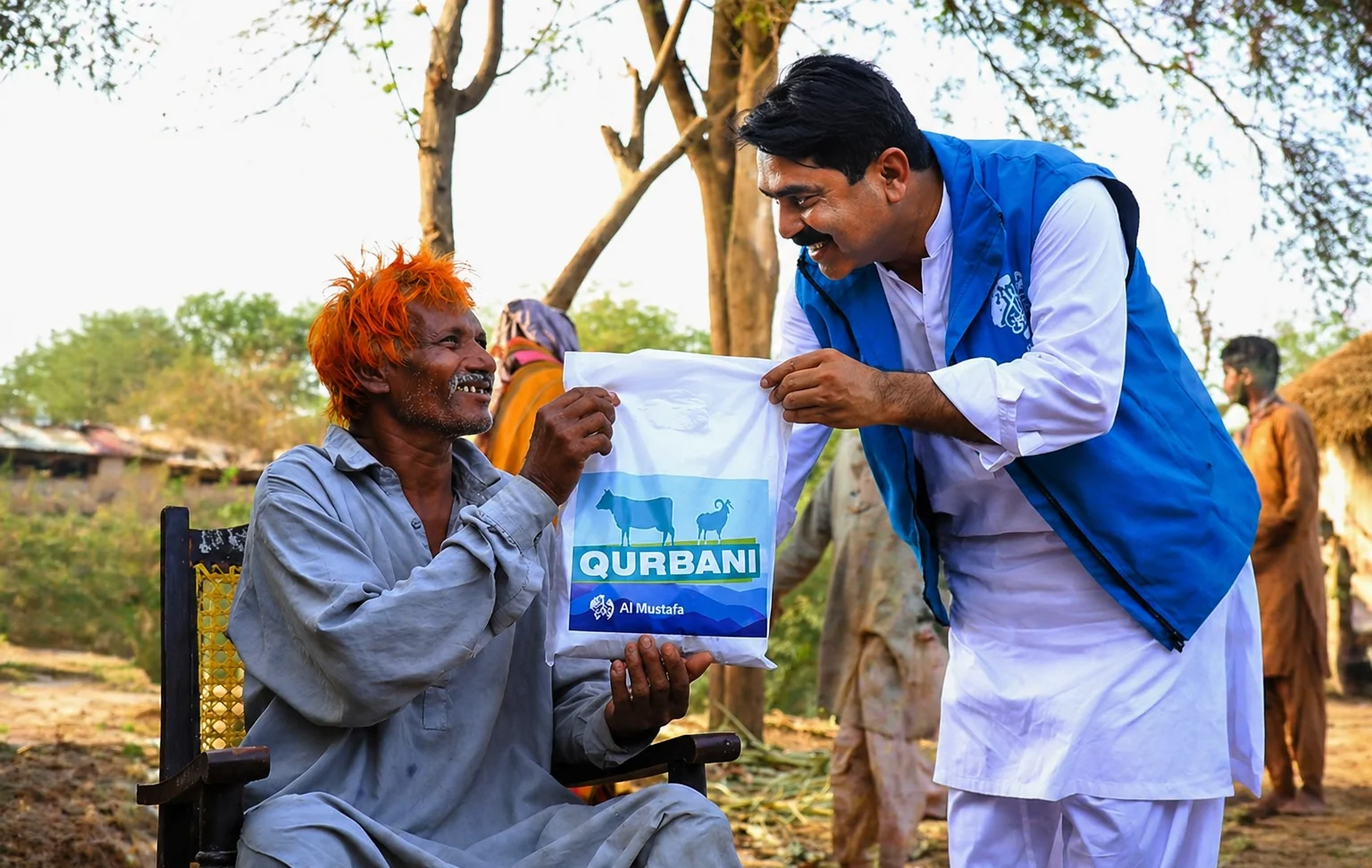
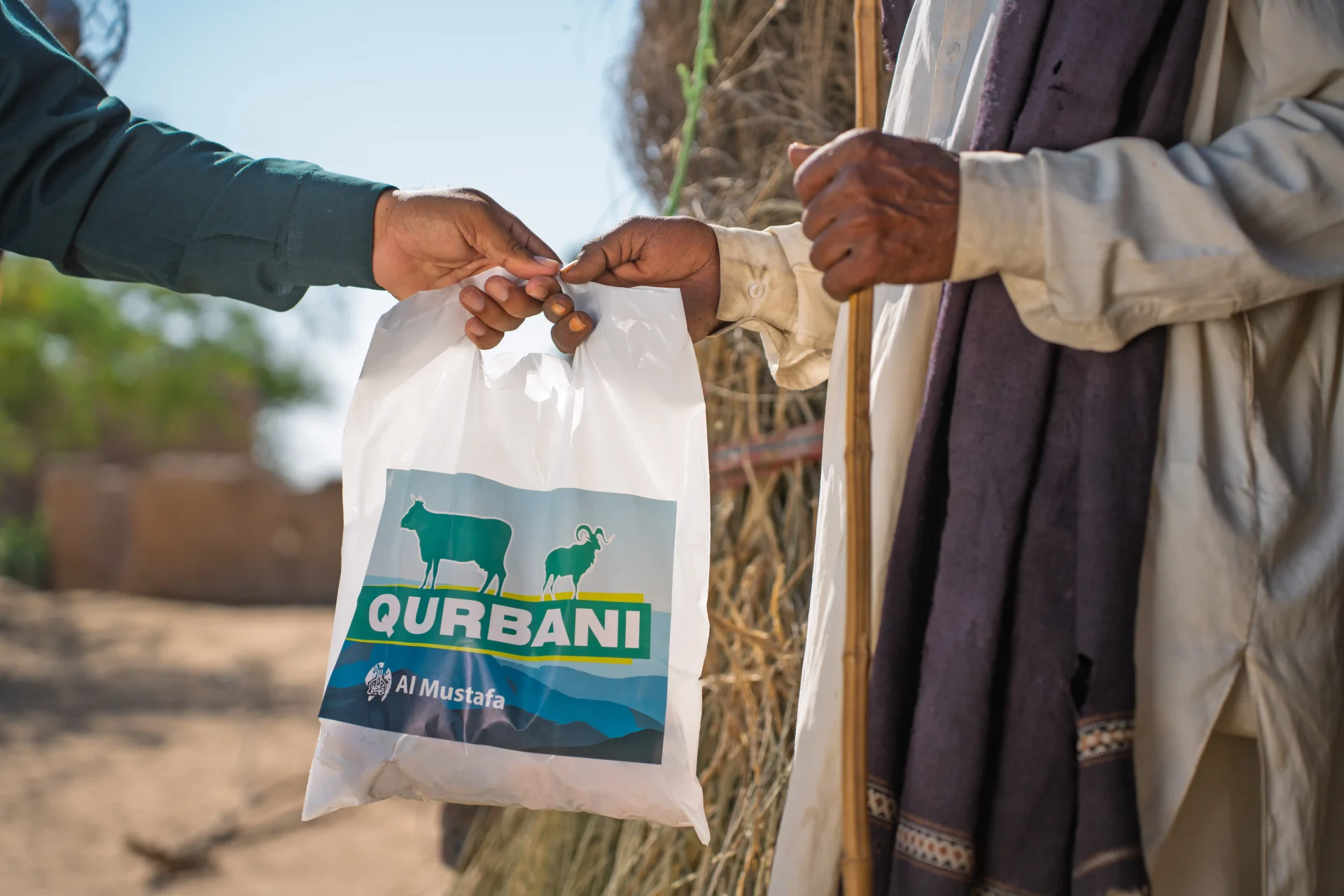
When you perform your Qurbani through Al Mustafa Welfare Trust, fresh meat is hand-delivered to the most vulnerable families in places like Cholistan, communities that are invisible to the rest of the world, yet deserving of dignity and nourishment on the most blessed days of the year.

This Eid, let Bibul Mai’s family taste something they have not had in nearly a year.

“We survive mainly on wild plants. We have not eaten meat for a very long time.”

Bibul Mai, Tobha, Cholistan