If that figure is below Nisab, performing Qurbani is not necessary for you this Eid al-Adha. If it equals or exceeds Nisab, the obligation applies.
“First, it is necessary to pay the debt. If that person remains Sahib-e-Nisab after paying the debt, then Qurbani is Wajib, otherwise not.”
Current debts or liabilities should always be deducted from total assets to determine Qurbani eligibility. If debts exceed available wealth, Qurbani is not obligatory, and repayment of debt is prioritised.
The Question of Instalment Debts
Many Muslims today carry long-term debts such as mortgages, car finance, or ongoing loan repayments. As per the Scholars,
If a person has a large debt being paid off in instalments, only the amount currently due should be deducted from assets, not the entire outstanding balance.
So if you have a mortgage with a large balance remaining but your monthly payment due is, for example, £900, you deduct only that current obligation from your assets when calculating Nisab eligibility, not the full outstanding sum. This is an important distinction. Many Muslims with long-term loans are still obligated to give Qurbani — if their net wealth after the current payment remains above Nisab.
If you are still unsure after calculating, scholars recommend erring on the side of performing Qurbani, as the reward for the act of sacrifice is immense and the cost of omitting an obligation is far greater.
Can You Take a Loan to Perform Qurbani?
This is a separate but important question. It is generally discouraged to take on new debt in order to perform Qurbani unless repayment can be assured soon. If there is no ability to repay in the future, taking on debt for Qurbani is not permissible. Islam does not encourage placing added financial burden on your family. Especially not for an obligation that only applies when you can already afford it.
What If You Cannot Afford Qurbani?
If you are unable to perform Qurbani due to debt or financial hardship, there is no sin upon you. Islam is a religion of ease, and Allah does not burden a soul beyond its capacity (Quran 2:286). Here are steps you can take:
1. Make a sincere intention (Niyyah): If your heart is willing but your means are insufficient, Allah sees your intention. Good deeds are rewarded based on sincerity, not just completion.
2. Prioritise debt repayment: Fulfilling the rights of your creditor is itself an act of worship and a great deed in the sight of Allah Almighty.
3. Increase other good deeds in these blessed days of Dhul Hijjah: fasting, prayer, dhikr, and charity carry extraordinary reward during this period.
4. Give Qurbani on behalf of those in need: Some scholars and charities allow you to donate toward Qurbani for less fortunate families. Contributing what you can, even a small amount on behalf of the Ummah, follows the Sunnah of the Prophet (PBUH) who sacrificed on behalf of those who were unable.
The Immense Reward of Qurbani
Those who are eligible and their net wealth remains above Nisab after accounting for debts, the reward of performing Qurbani is extraordinary. The Prophet (PBUH) said that on the Day of Judgment, the sacrificed animal will come forward with its horns, hair, and hooves. Before the blood even reaches the ground, it is accepted by Allah as a great act of worship.
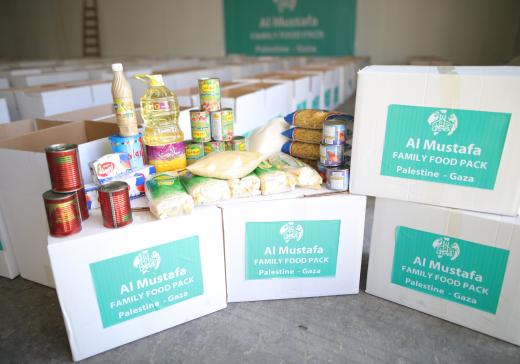
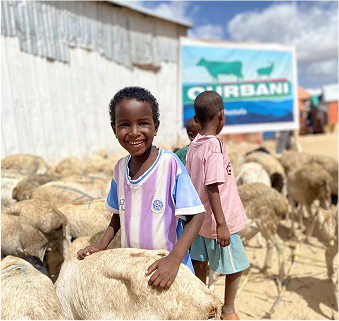
Performing Qurbani when you are able is not merely a ritual, it is an act of gratitude, piety, and community. It feeds families in need across the world.
It connects you to the legacy of Prophet Ibrahim (AS) and the Sunnah of the Prophet (peace be upon him).
And it earns you a reward that waits in your account before Allah on the Day you need it most. If you have any doubt about your eligibility, calculate your assets honestly, deduct what you currently owe to your creditor, and make your decision based on the guidance of your scholars and the understanding shared in this guide.