What happens when a village has no water within reach
Most of the families our teams work with are not choosing between clean water and dirty water. They are choosing between dirty water and none. This is what that means in practice.
People drink whatever they can reach
When there is no safe source nearby, families collect from canals, ponds, open channels and unprotected wells, often the same water their animals drink from. According to the latest WHO/UNICEF Joint Monitoring Programme report, 2.1 billion people still lack safely managed drinking water, and 106 million drinks directly from untreated surface water such as rivers, lakes and canals around the world.
Illness that keeps coming back
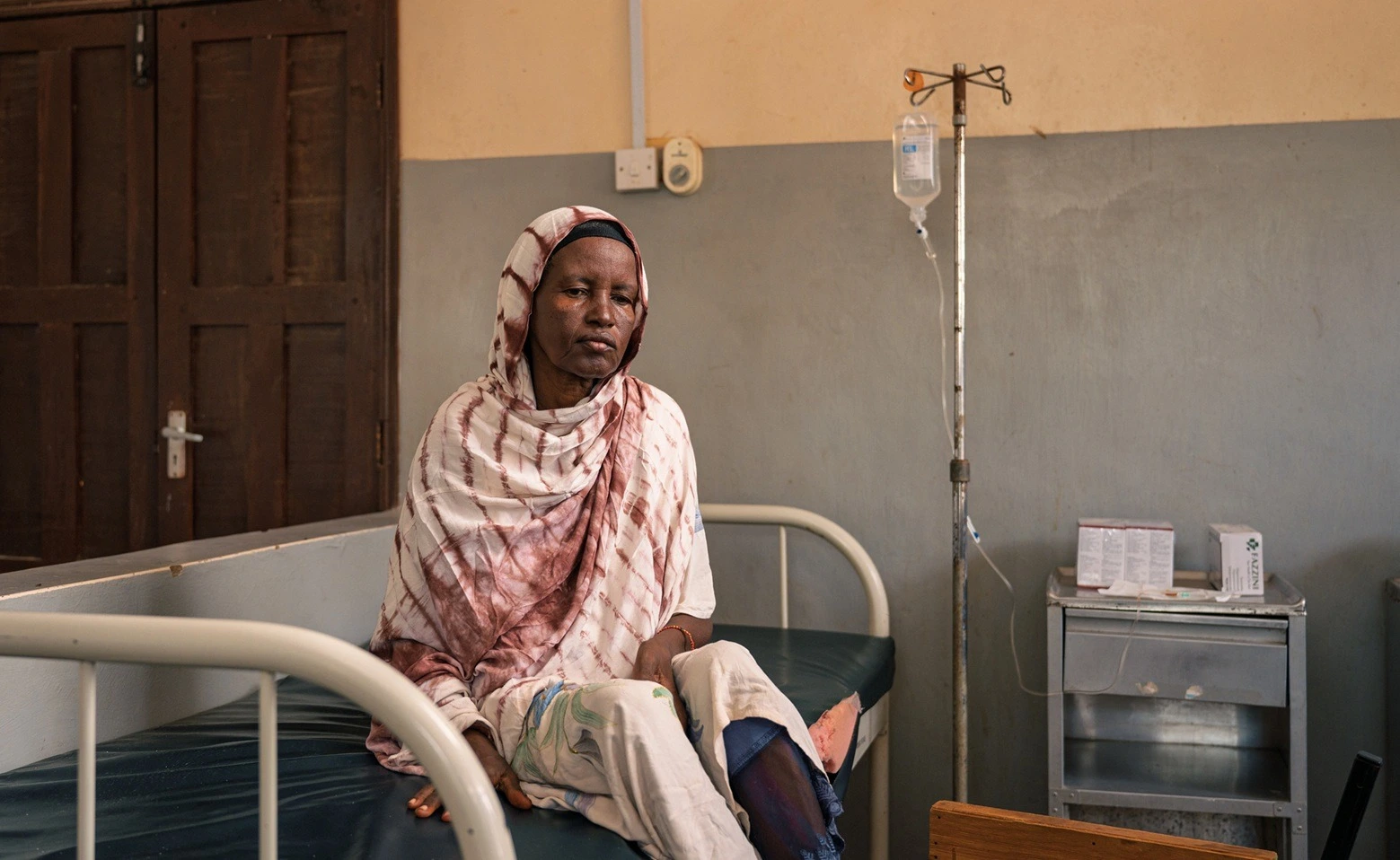
Contaminated drinking water spreads diarrhoea, cholera, dysentery, typhoid and polio. The World Health Organization estimates it causes around 505,000 diarrhoeal deaths every year, and that the deaths of 395,000 children under five could be prevented each year if unsafe water, sanitation and hygiene were addressed.
The walk, and who makes it
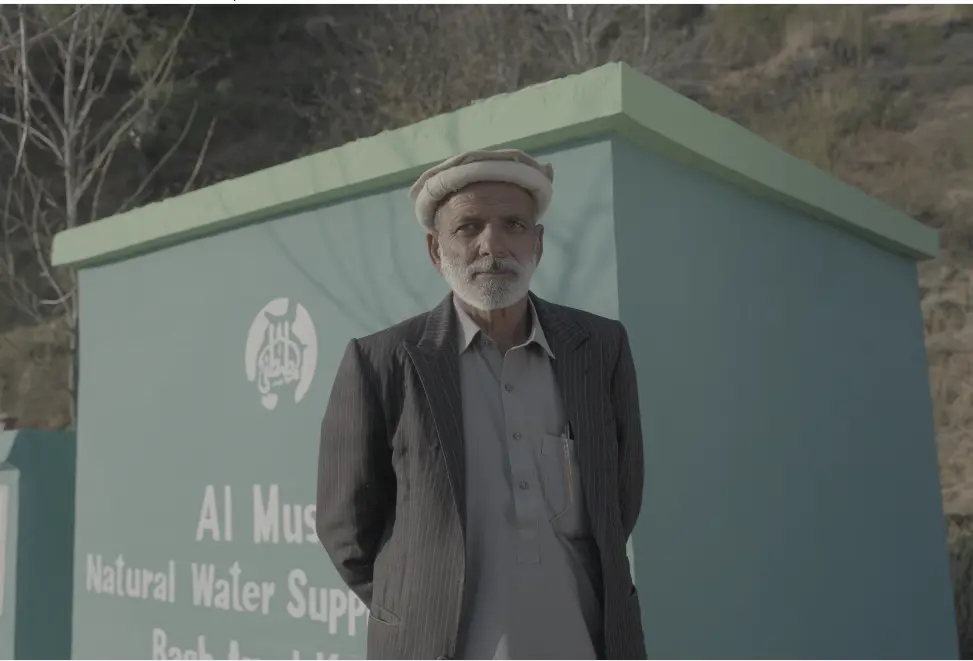
Fetching water falls overwhelmingly on women and girls. At the launch of the 2025 JMP report, UNICEF’s director of water, sanitation and hygiene, Cecilia Scharp, warned that girls “often bear the burden of water collection”, and that when children lack safe water, “their health, education, and futures are put at risk”. In the villages where Al Mustafa Welfare Trust builds solar community wells, women and children would usually walk five to six miles a day to find water before the well arrived.
Livestock, crops and livelihoods
In rural Punjab, a family’s animals are its savings. Buffalo, cattle, goats and camels provide milk, income and a safety net for weddings, medical bills and bad harvests. Without water in extreme heat, animals sicken and die, and a household can lose years of savings in a single summer.
Faith and dignity
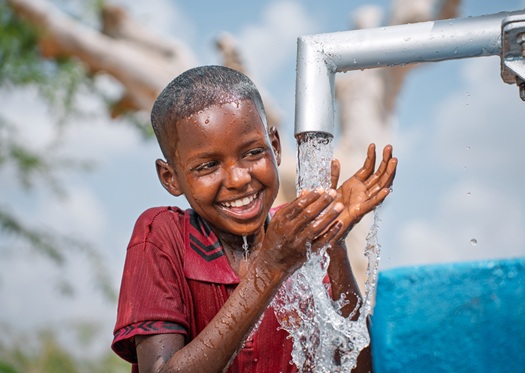
Water is part of daily worship. Without it there is no wudhu before prayer, no dignified way to wash, and no clean water to wash the dead before burial. In many of the villages Al Mustafa Welfare Trust serves, water from the hand pump also reaches the local graveyard and the bus stop on the road, where travellers stop to drink.