Can you give Sadaqah Jariyah for deceased?
Yes. This is the settled position across the Hanafi, Maliki, Shafi’i and Hanbali schools. Charity may be given on behalf of someone who has passed away, with the intention that its reward goes to them. It is not only permitted. It is highly encouraged.
The evidence comes from the Prophet (PBUH) himself. A man came to him and explained that his mother died suddenly, without leaving a will. He believed she would have given in charity had she been able to speak. He asked whether she would be rewarded if he gave on her behalf. The Prophet (PBUH) answered: “Yes.”
Sahih al-Bukhari 1388; Sahih Muslim 1004
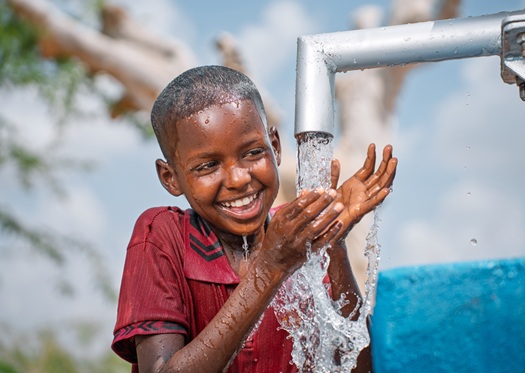
A second narration makes the same point and goes further. Sa’d ibn ‘Ubadah (RA) was away when his mother died. He asked the Prophet (PBUH) whether giving charity on her behalf would benefit her, and was told that it would. He then asked which charity was best. The answer was providing water.
Sunan Abu Dawud 1681
That single exchange is why so many families choose a water well or hand pump when they give Sadaqah Jariyah for deceased parents.
Does the reward reach the deceased?
Yes, and the scholars have been unusually clear about it. The Hanafi, Maliki and Hanbali schools all state directly that the reward of charity given on behalf of a deceased person reaches them. The Shafi’i school agrees specifically in the case of charity. Imam al-Nawawi recorded that the reward of supplication, charity and Hajj reaching the deceased is a matter of scholarly consensus.
The mechanism is simple. You make the donation. The benefit flows to people who need it. Allah (SWT), who assigns reward as He wills, directs that reward to the person you named. What matters is the intention behind it.
Who can you give Sadaqah Jariyah for?
Anyone. There is no restriction limiting it to parents or to close relatives, and you do not need to have been related to the person at all. You can start their Sadaqah Jariyah by any name you choose.
For deceased parents
This is the most common reason people are looking for, and it carries a particular weight in Islam.
A man once asked the Prophet (PBUH) whether there was anything left he could do for his parents after their death. He was told: yes. Praying for them, seeking forgiveness for them, honouring the commitments they left behind, maintaining the family ties that exist only through them, and showing kindness to their friends.
Sunan Abu Dawud 5142
Charity given in their name sits naturally alongside all of that. Many families choose something their parent would have valued. A water well for a deceased father who worked the land. Sponsoring a Hafiz for a mother who taught her children to read the Qur'an.
For a child who has passed away
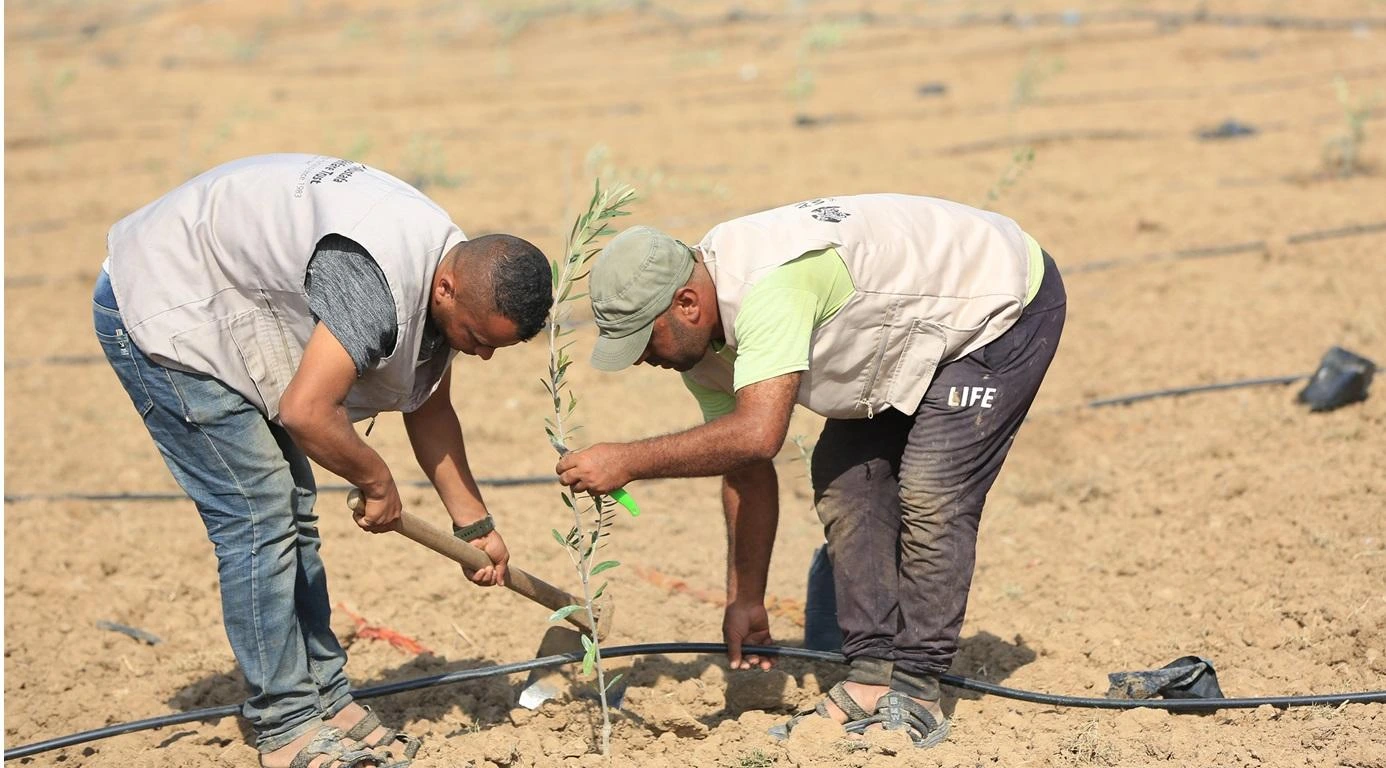
Giving in a child’s name is permissible and, for many parents, a source of real comfort. Families often choose something that helps other children. A sponsorship for an orphaned child. A tree planted so that something living continues to grow in their name, giving shade, fruit and cleaner air for years.
For siblings, grandparents and wider family
Sadaqah Jariyah can be given for a brother or sister, grandparents, aunts, uncles, cousins, a teacher, a friend, a neighbour, or someone you never met. You can also give a single donation with the intention that its reward is shared among several people you have lost. Many donors give one gift each year in the name of everyone in their family who has passed away.
What is the best Sadaqah Jariyah for deceased loved ones?
The best Sadaqah Jariyah is one whose benefit lasts longest, because the reward continues for as long as the benefit does. When the Prophet (PBUH) was asked directly which charity was best, in the context of a man giving on behalf of his mother, his answer was water.
These are the most impactful ways to give, and what each one does: