Sadly, the storm also cost lives. At one site, a rain-soaked sandy hill collapsed onto tents. Five displaced people were killed, including three children. An infant was also reported to have drowned at a displacement site.
Why Are Families in Gaza So Exposed to Winter?
Most people in Gaza are still displaced. The UN estimates that 1.4 million people, or 65% of the population, live in tents or makeshift shelters. For many, this is their fourth winter without a proper home.
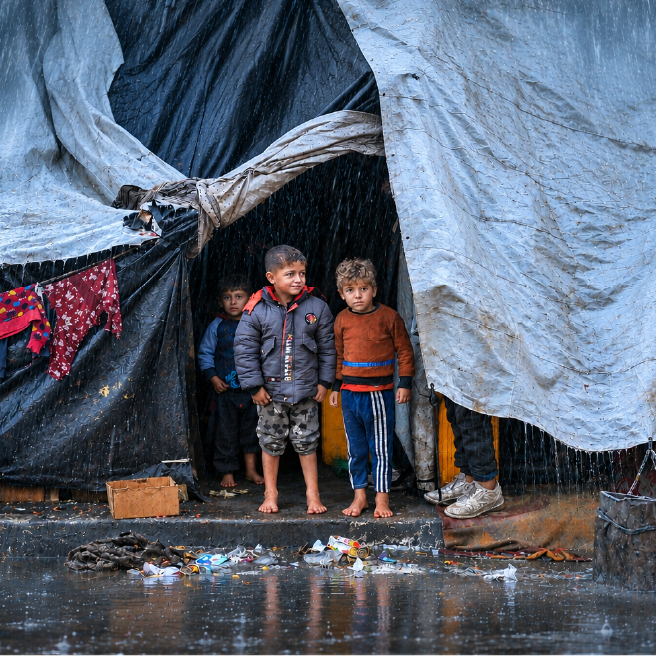
A tent is not built for this. Most tents are designed to last about six months. However, many families are still using tents from last winter or even earlier. The fabric is thin and torn, so rain and wind get straight in.
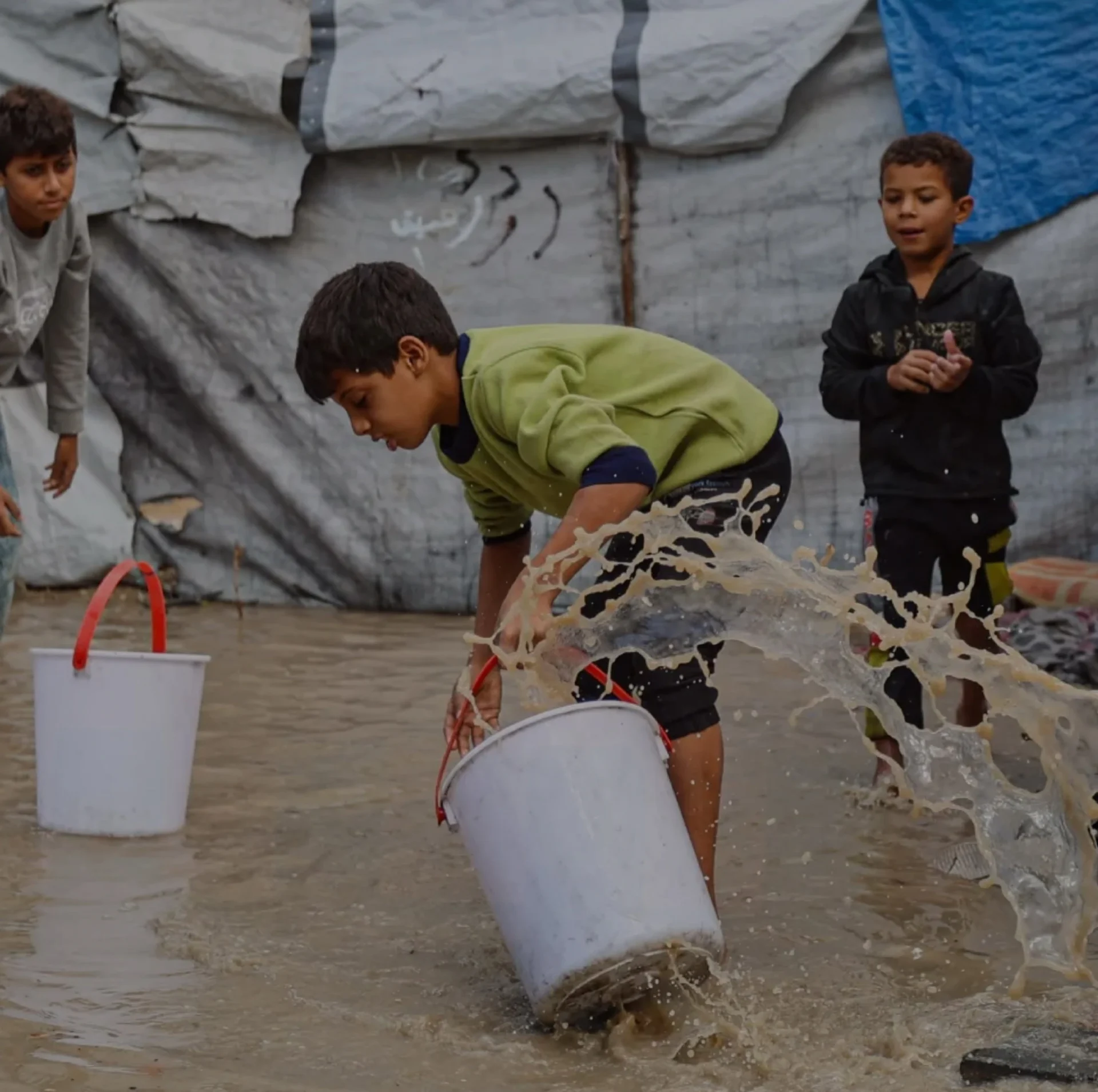
The ground around the camps does not help either. Much of Gaza's water, sewage and drainage network was damaged during the war. As a result, rainwater has nowhere to go. It pools around tents for days. Pumps also struggle to run without fuel and spare parts.
Meanwhile, supplies inside Gaza are running out. The UN says stocks of tents, tarpaulins, blankets and clothes are now "virtually exhausted". Aid agencies estimate that Gaza needs about 121,000 tents and 1.7 million mattresses. Yet only around 2,800 tents were in stock inside Gaza when the storm hit.
The Hidden Dangers of Winter: Cold, Damp and Disease
Floodwater in Gaza is rarely clean. In many camps, rain has mixed with sewage. This raises the risk of diarrhoea, skin infections and chest infections, especially for young children.
The cold is just as dangerous. At night, a wet tent offers almost no warmth. Children and older people are most at risk. Last December, during Storm Byron, children in Gaza died from exposure to the cold. Without dry bedding and warm clothes, the same could happen again this winter.
Health services are also under strain. The storm flooded parts of hospitals and clinics. Medicines such as antibiotics are in short supply. On top of this, at least 55 learning spaces serving around 55,000 children were affected.
What Families in Gaza Need Most This Winter
Aid workers on the ground are clear about what is needed right now. Families need:
- strong tents and tarpaulins that can stand up to heavy rain
- dry mattresses and warm blankets
- winter clothes and shoes for children
- hot meals and food packs
- safe, clean drinking water
- medicine and medical care for those who fall ill
Each of these can be the difference between a family coping with winter and a family in danger.