During Ramadan, donors often seek guidance on this issue. It’s important to remember that paying zakat during Ramadan is not required by law, but many choose to do it then for spiritual benefit. Whether you pay before or during Ramadan, the key is ensuring your zakat reaches those who need it most.
How Zakat Distribution is Handled for Emergency Response
Zakat distribution follows Islamic guidelines: by Qur’anic instruction (Surah at tawbah 9:60), eligible recipients include the poor (al-fuqara’), needy (al-masakin), debtors (al-gharimin), wayfarers (ibn al-sabil), and other categories mentioned. In modern times, refugees and disaster survivors are often in these categories, making them legitimate zakat recipients.
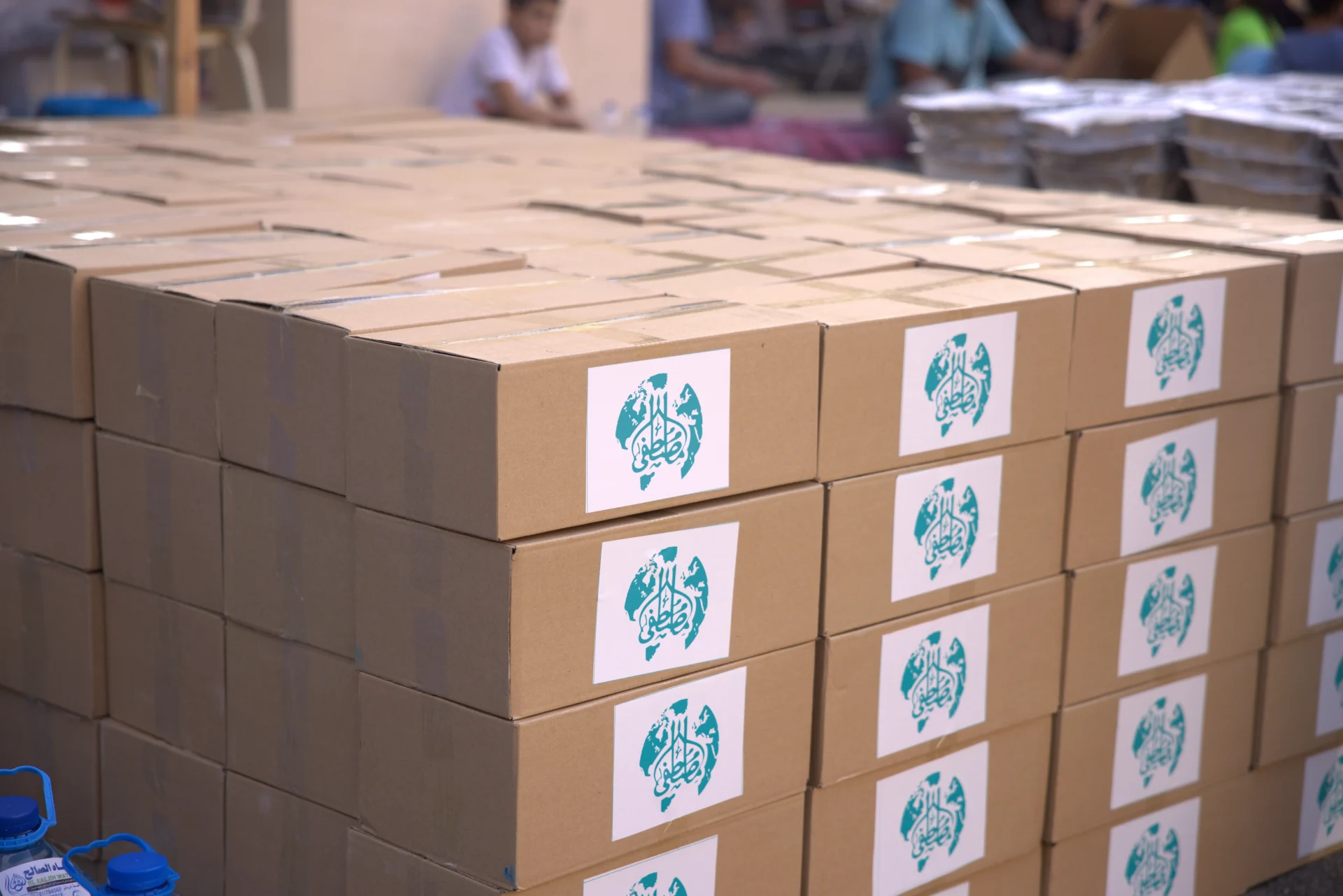
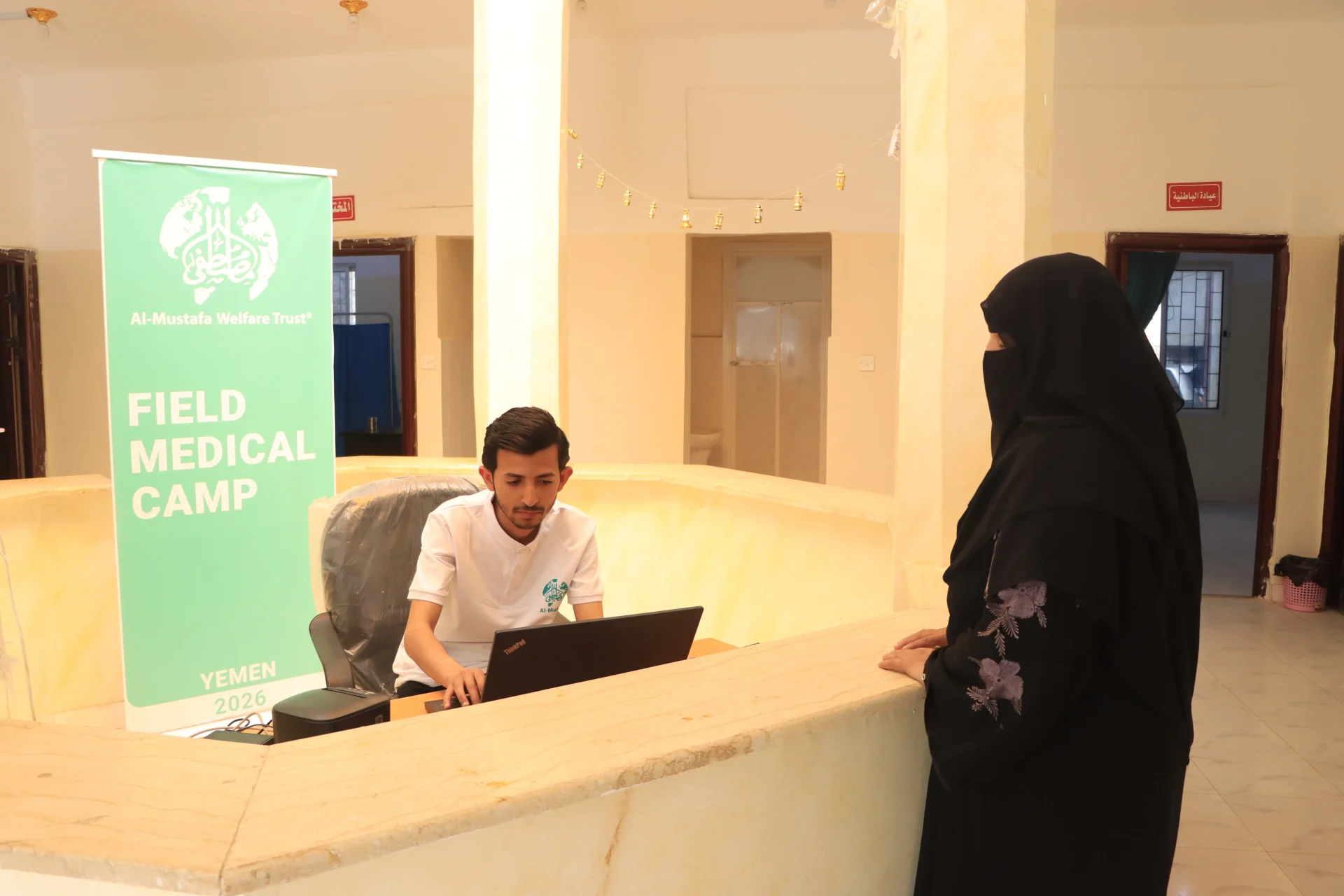
In emergencies, zakat is typically spent on urgent, life-saving needs. And we use your Zakat payments to provide food packs, clean water, shelter, clothing and medical care to relieve suffering and to elevate poverty. For that, we follow a "100% Zakat policy.” which means all of your 2.5% Zakat donations goes directly to reach people facing extreme hardship.
We also follow shariah principles and verify compliance through our scholar Rizwana Latif, and confirm that your Zakat donations meet religious requirements. Each year, we also publish annual report to show how your donation was used to address the issues of eligible Muslims.
A Checklist for Giving Zakat Confidently
Before donating your zakat to an emergency fund or charity, use this checklist to be sure:
- Confirm Your Zakat Obligation: Calculate the 2.5% correctly. Ensure one Islamic lunar year has passed on your wealth above the nisab threshold (minimum amount to be eligible to pay Zakat). Only after you pay Zakat.
- Choose a UK Muslim Charity: Give through Al Mustafa Welfare Trust as we explicitly accept and distribute zakat. We have a dedicated emergency appeals like Gaza, Yemen, Sudan , Lebanon etc and our teams are exclusively working with UN-registered partners to provide essential aid in these war effected countries. As for now, Sudan and Gaza is facing severe humanitarian crises in the world and families are struggling for their survival.
- Verify the 100% Zakat Policy: We ensure that your 100% Zakat will use for aid and that typically means (1) no deduction for general costs and (2) adherence to the 1/8 rule for administrators.
- Look for Transparency: The charity should report annually on zakat use. Do they publish impact figures or beneficiary stories? Do they say which countries or appeals were funded? For example, Al Mustafa Welfare Trust regularly posts updates, case studies and annual reports.
-
Prioritise Urgency and Need: In humanitarian terms, we emphasize “urgent needs” or life-saving aid. You can make a bank transfer to donate zakat online, medical assistance or food relief in crisis areas. The best zakat programmes focus on the most vulnerable, for example, families in famine conditions or displaced by conflict.
Respond to Global Crises Through Our Emergency Relief Appeals
Around the world, millions of families are facing conflict, hunger, displacement, and severe hardship. You can support our trusted humanitarian appeals that deliver life-saving assistance where it is needed most.
Sudan continues to face conflict, food shortages, and displacement affecting vulnerable families.