Why Are the Gaza Food Aid Cuts Happening?
The reason is simple: there is not enough money. WFP says it received less than half as much funding for its Palestine work in 2026 as it did in earlier years.
Carl Skau, the acting head of WFP, made this clear when the cuts were announced. He said the need had not gone down, and the problem was not getting food into Gaza. Instead, he said, "this is only because we have less funding."
WFP now needs US$450 million to keep its most important work going in Gaza and the West Bank from October 2026 to March 2027. Meanwhile, the West Bank has already been hit. In September, WFP halved the number of people it helps there, from 400,000 to 200,000.
How Bad Is the Gaza Food Crisis Now?
Hunger in Gaza is still at crisis level. According to WFP, around 1.4 million people, or 67% of the population, face acute food insecurity at crisis level or worse. This is known as IPC Phase 3 or above. Reuters reports that about 200,000 of these people are in emergency conditions.
This comes only a year after the worst of the crisis. Famine was declared in Gaza City in August 2025. Then, in December 2025, the UN-backed IPC said famine had eased after the ceasefire began. Better access and more aid helped families recover a little. Still, WFP warns that these gains are fragile and could quickly be lost if funding keeps falling.
What the Cuts Mean for Families This Winter
For many families, the Gaza food aid cuts come at the worst possible time. Winter is close, and many people still live in tents or damaged buildings. At the same time, food is harder to buy. Al Jazeera reports that empty market shelves and rising prices are making it harder for parents to feed their children.
UN film crews who met displaced families in October heard the same story many times. One mother told them her family now eats two meals a day, and sometimes only one. Her children, she said, have got used to it since the famine.
WFP also supports around 80% of the bakeries in Gaza, according to Skau. So when its funding falls, the effect is felt well beyond one food parcel. It reaches the bread that whole neighbourhoods depend on.
How Al Mustafa Welfare Trust Is Helping in Gaza
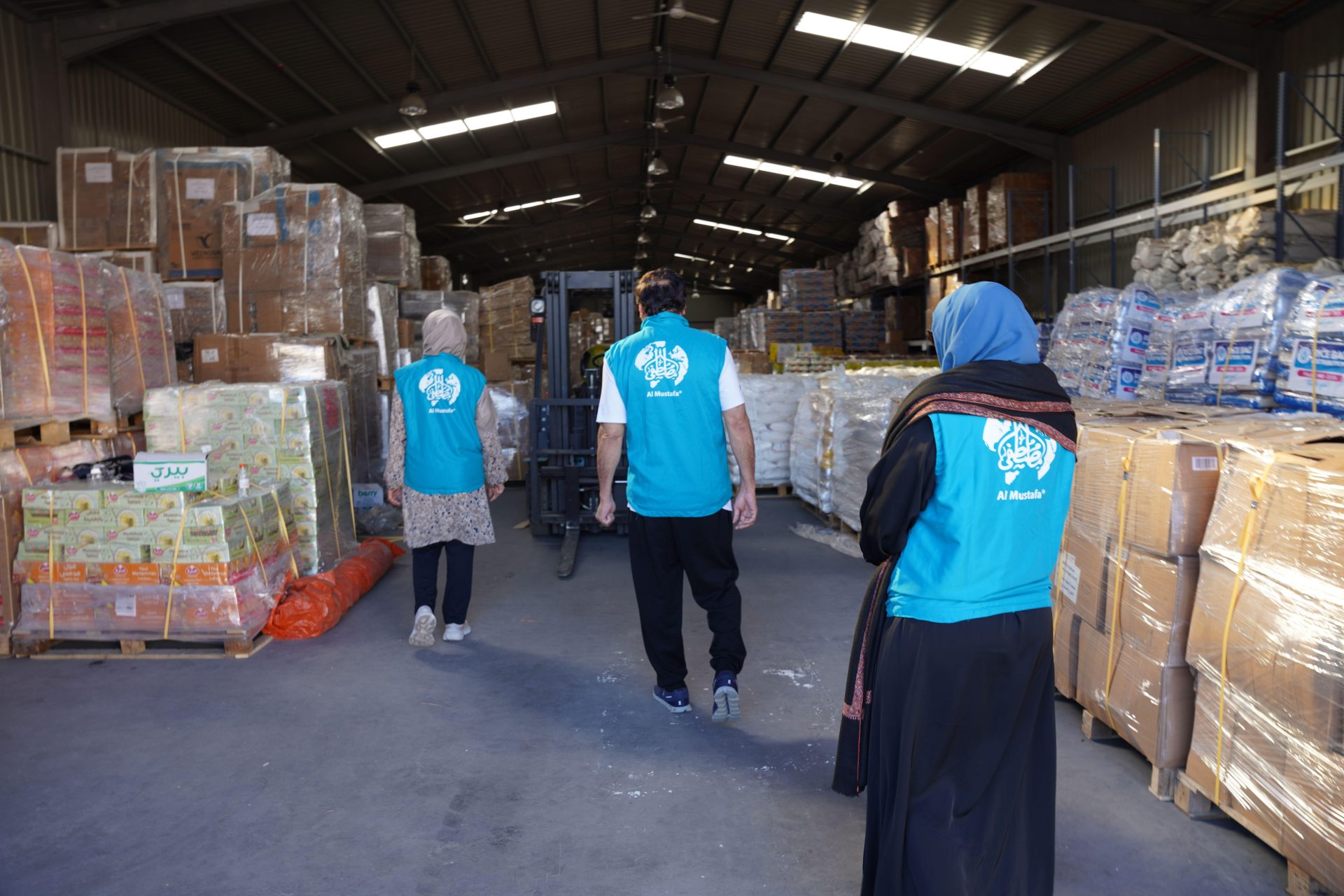
When large agencies are forced to cut back, every extra meal matters. Al Mustafa Welfare Trust is working with trusted partners to reach displaced families in Gaza.
Our work is centred on the Mercy Hub, a village for displaced families in South Gaza. From the hub, families receive:
- Fresh bread every day from our bakery
- Hot cooked meals
- Family food packs that last a month
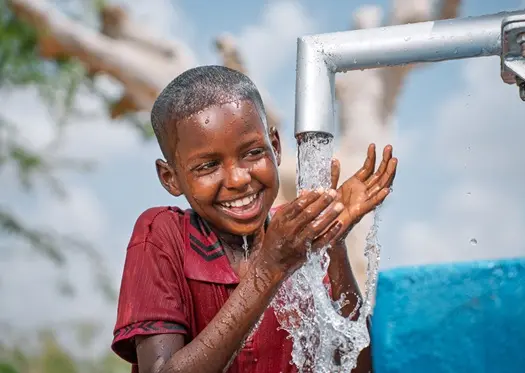
- Clean, safe water
- Shelter, and care from a medical clinic
So far, with your support, our Gaza and Palestine work has reached 250,000 people, and 27,000 families have received food packs.
How Your Donation Can Help Fill the Gap
A family hit by the Gaza food aid cuts has just lost half of its rations and needs help now. Your gift to our Gaza Emergency Appeal can provide: