The Day of Ashura in Sunni Tradition
For Sunni Muslims, Ashura is primarily a day of gratitude and fasting. The tradition is rooted in the time of the Prophet Muhammad (PBUH). As narrated in Sahih al-Bukhari, when the Prophet (PBUH) migrated to Madinah, he found the Jewish community fasting on the 10th of Muharram in gratitude for the day Allah delivered the Prophet Musa (AS) and the Children of Israel from Pharaoh. The Prophet (PBUH) said the Muslims had an even greater claim to honour Musa (AS), and so he fasted on this day and encouraged his followers to do the same.
Fasting on Ashura is therefore a cherished Sunnah practice for Muslims. The Prophet (PBUH) taught that fasting on this day is hoped to expiate the minor sins of the previous year, an immense spiritual reward for a single day of worship. To distinguish the practice and follow the Sunnah most completely, the Prophet (PBUH) recommended fasting the 9th and 10th of Muharram together, so many Sunni Muslims fast on both 24 and 25 June 2026.
Beyond fasting, Sunni communities mark Ashura as a quiet, reflective day for increased worship, du’a, recitation of the Quran, and giving in charity, making it a meaningful opportunity to draw closer to Allah at the start of the Islamic year.
The Day of Ashura in Shia Tradition
For Shia Muslims, the Day of Ashura is the most solemn day of the year, a time of intense mourning and remembrance for Imam Hussain (AS) and the tragedy of Karbala. The first ten days of Muharram are a period of profound grief, building toward Ashura itself, when the depth of the sorrow reaches its height.
Hussain’s martyrdom is a pivotal event in Shia Islam, and the day is observed with deep solemnity. Common observances among Shia communities include:
• Majlis (mourning gatherings): assemblies where the tragedy of Karbala is recounted and elegies are recited, often moving attendees to tears
• Public processions: large street processions in which mourners walk together to commemorate Hussain’s sacrifice, particularly across South Asia, Iran, and Iraq
• Wearing black clothing: many mourners wear black as an outward sign of grief throughout Muharram
• Recounting the story of Karbala: through sermons, poetry, and dramatic re-enactments (known as ta’zieh) of the events of 680 CE
• Visiting the shrine of Imam Hussain: pilgrims travel to his shrine in Karbala, Iraq, in their millions
Some Shia Muslims also engage in forms of self-flagellation (matam) as an expression of their grief. It is worth noting, however, that many religious authorities, including senior Shia scholars, discourage practices that cause bloodshed, and increasingly encourage blood donation drives instead. In communities around the world, organised blood donation on Ashura has become a powerful and life-giving way to honour Hussain’s sacrifice.
For Shia Muslims, mourning on Ashura is not simply about grief — it is a renewal of commitment to the values Hussain (AS) died defending: justice, truth, and faith in the face of tyranny.
The Battle of Karbala: The Story Behind Ashura
To understand why Ashura matters so deeply, you have to understand what happened at Karbala. Ashura commemorates the Battle of Karbala, which took place in 680 CE (61 AH) on the plains of Karbala, in present-day Iraq, near the Euphrates River.
After the death of the Prophet Muhammad (PBUH), leadership of the Muslim world eventually passed to the Umayyad caliph Yazid, a ruler widely regarded as corrupt and tyrannical. Imam Hussain (AS), the beloved grandson of the Prophet (PBUH) and son of Imam Ali (AS), refused to pledge allegiance to Yazid, unwilling to legitimise his unjust rule. To compromise, he believed, would be to betray the very principles of Islam.
With a small band of family members and loyal companions, Imam Hussain (AS) set out toward Kufa, where the people had pledged him their support. But he was intercepted at Karbala by Yazid’s vast army and surrounded. In the days that followed, Hussain (AS) and his companions were cut off from the Euphrates and denied access to water under the burning desert sun, including the women and children in his camp. This act of cruelty, the thirst of Karbala, remains one of the most painful and enduring images of the tragedy.
On the 10th of Muharram, Imam Hussain (AS) made his ultimate stand. Vastly outnumbered, he and more than 70 of his companions and family members were killed. Hussain (AS) himself was martyred, refusing to the very end to surrender his principles. The tragedy did not break the message of Karbala, it amplified it. Hussain’s stand against Yazid came to symbolise the eternal fight for justice against oppression, and his martyrdom inspired uprisings against Yazid’s regime in the years that followed.
More than thirteen centuries later, the lesson of Karbala still echoes across the Muslim world: that standing for truth and justice, even at the ultimate cost, is the highest expression of faith.
How Muslims Observe the Day of Ashura Around the World
The Day of Ashura is mourned and observed by Muslims worldwide, in ways that reflect the rich diversity of the global Muslim community.
In Shia-majority regions such as Iran and Iraq, and in countries with large Shia populations across South Asia, Ashura is marked by mass mourning gatherings, street processions, and pilgrimages to Karbala. Sunni communities everywhere observe the day through fasting and additional worship. In many places, Sunni and Shia Muslims live side by side, each honouring the day according to their own tradition.
Whether through the silence of a fast or the tears of a majlis, Ashura unites the Muslim world in a shared act of remembrance, a solemn day set apart for reflection on sacrifice, faith, and the meaning of standing for what is right.
The Meaning and Lessons of Ashura Today
Ashura is far more than a historical anniversary. For Muslims around the world, it is a living source of inspiration that speaks directly to the challenges of the present day. The story of Karbala asks every believer a simple question: when truth and tyranny stand opposed, where do I stand?
The day calls us to several enduring values: the pursuit of justice even when it is difficult, the willingness to sacrifice for what is right, compassion for the oppressed and the thirsty, and steadfast faith in Allah through hardship. For Sunni Muslims, the gratitude of Ashura reminds us that Allah is the ultimate source of salvation and deliverance. For Shia Muslims, the grief of Ashura renews a commitment to never stay silent in the face of injustice. For all of us, it is a day to turn back to Allah with a sincere heart.
Honour the Day of Ashura with an Act of Charity
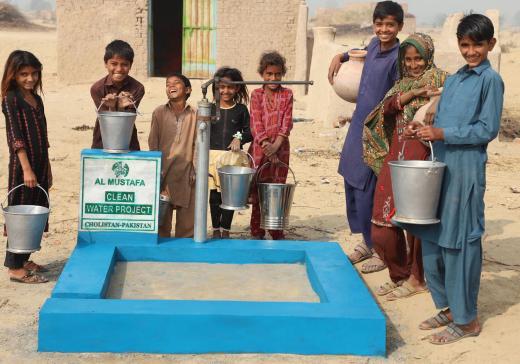
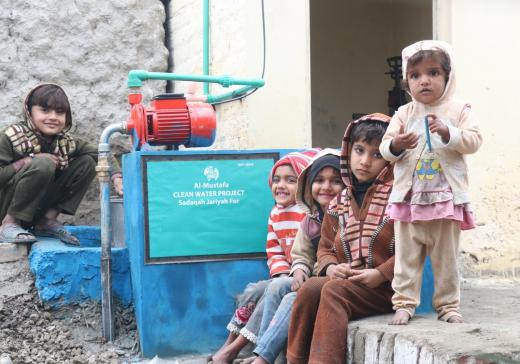
The tragedy of Karbala is, above all, a story of thirst, sacrifice, and standing beside the vulnerable. There is no more fitting way to honour the memory of Imam Hussain (AS) and the message of Ashura than by giving to those who suffer today.
This Ashura, you can turn remembrance into action: