Taraweeh in congregation, Taraweeh at home, and practical tips
Attending Taraweeh in a masjid
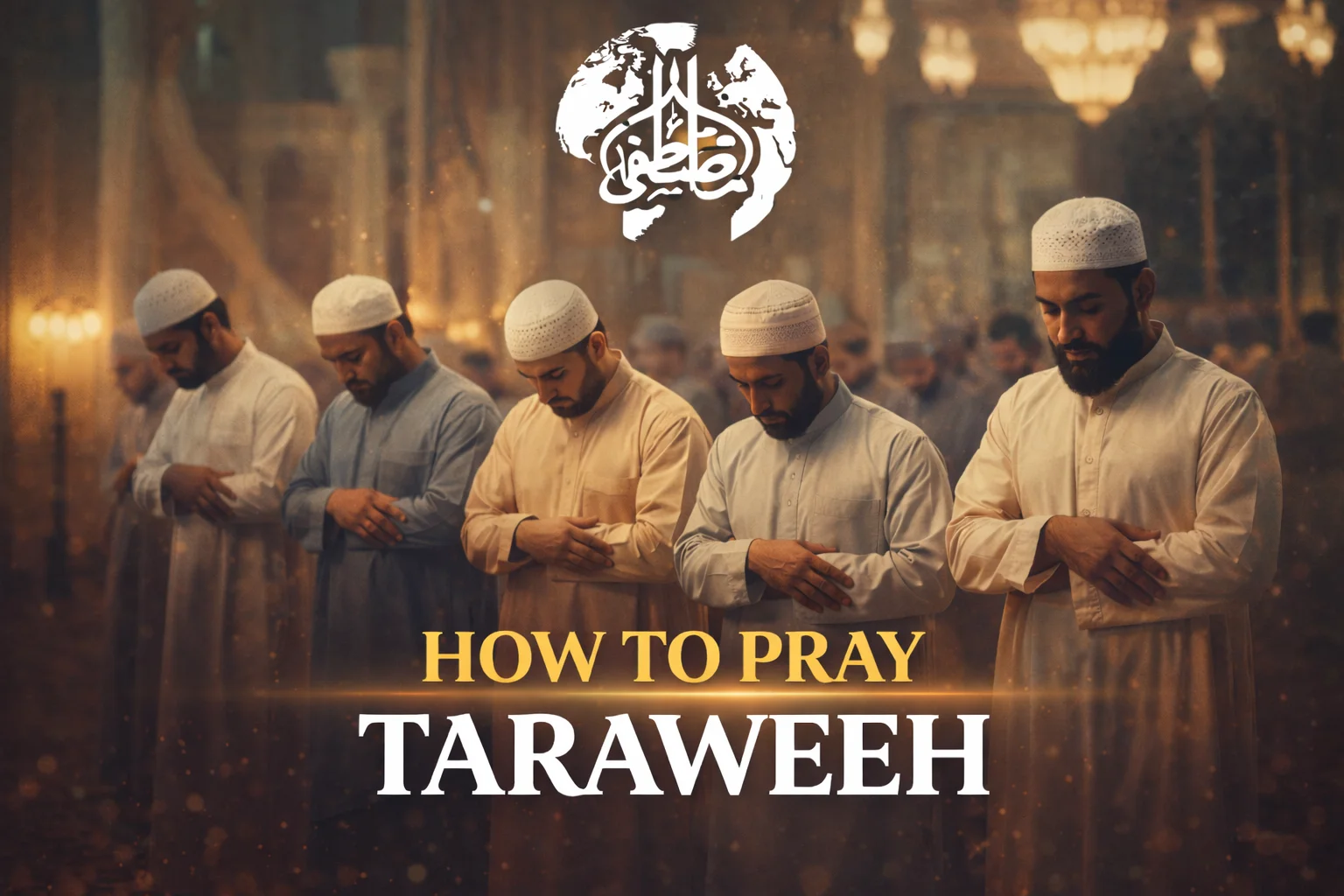
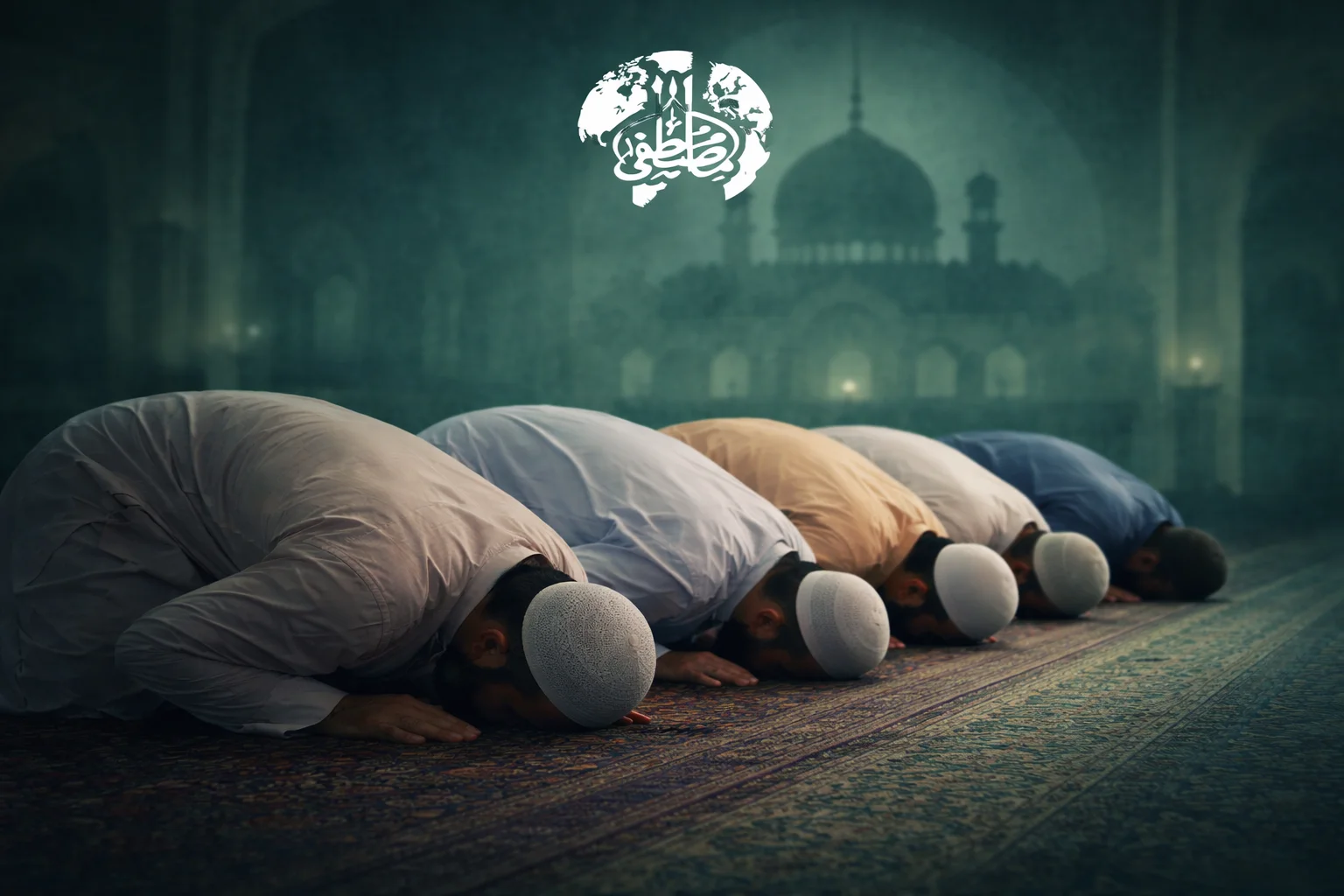
Taraweeh is widely practised as a congregational prayer in Ramadan, and many communities aim for extended Qur’an recitation through the month.
If you can attend, one motivation that strongly encourages staying to the end is the hadith meaning: whoever stands with the imam until the imam finishes, it is recorded as if the person prayed the whole night.
So, if you want a simple Ramadan goal: try to start Taraweeh and finish it with the imam, even if you feel tired.
Taraweeh at home
Yes, you can pray Taraweeh at home. Major guides explicitly say Taraweeh can be performed at home, and practical scholarship guidance explains how to do it alone or with family.
A practical “home Taraweeh” approach that many scholars recommend:
Set a realistic time after ‘Isha so you can be consistent every night.
Pray Taraweeh in pairs, reciting what you know from the Qur’an; if you need to keep it short, that is fine.
End with Witr.
A woman may pray Taraweeh wherever she finds it best for humility and devotion: at home or at the mosque, and notes that (as reported) Imam al-Shafi‘i held that men and women receive the same reward for Taraweeh whether at home or in the mosque.
What to recite in Taraweeh
Taraweeh is like other voluntary prayers in structure: in each rak‘ah you recite Surah al-Fatihah and then another portion of the Qur’an. Most mosques recite aloud and aim to cover large portions during Ramadan.
If you are praying at home and you only know short surahs, don’t let that stop you. Consistency and sincerity are the goal, and you can increase gradually through the holy month.
A Gentle Reminder about “Past Sins Pardoned”
You will often hear the phrase “all his previous sins will be forgiven” connected to standing in prayer in Ramadan. That wording is found in authentic narrations.
(Sunnah Book 31, Hadith 1)
But authentic reports also mention expiation being tied to avoiding major sins, which helps readers understand that Ramadan is not a “free pass” without repentance and life change.