Helpline 0208 569 6444
Send email [email protected]
Address The Old Pumping Station, Pump Alley, Brentford, TW8 0AP
Latest Emergencies

100 Airstrikes in 10 Minutes Fell on Lebanon

Yesterday was the worst day Lebanon has seen since this war began.

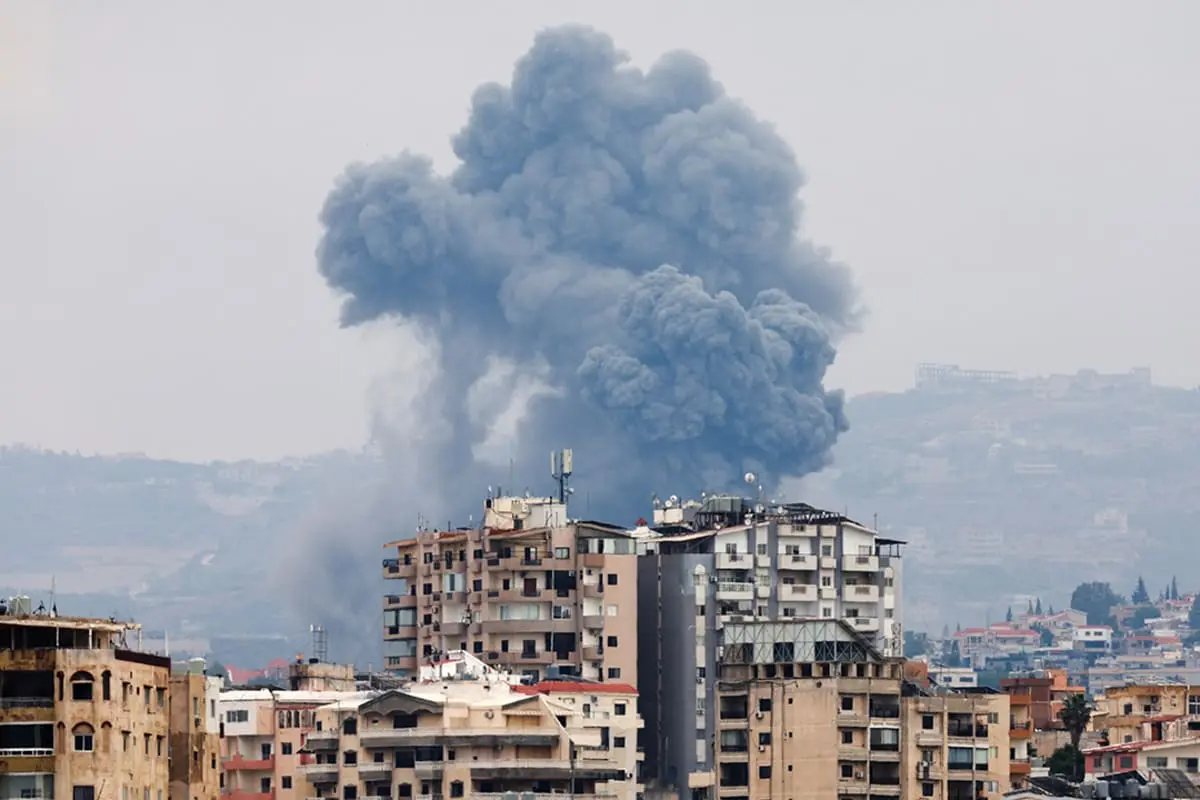
On 8 April 2026, Israeli forces struck 100 targets across Lebanon in just 10 minutes, the largest attack on the country since the war started. Lebanon declared a national day of mourning the following day, after the strikes killed more than 250 people and left over 1,160 wounded.

What Happened without any Warning

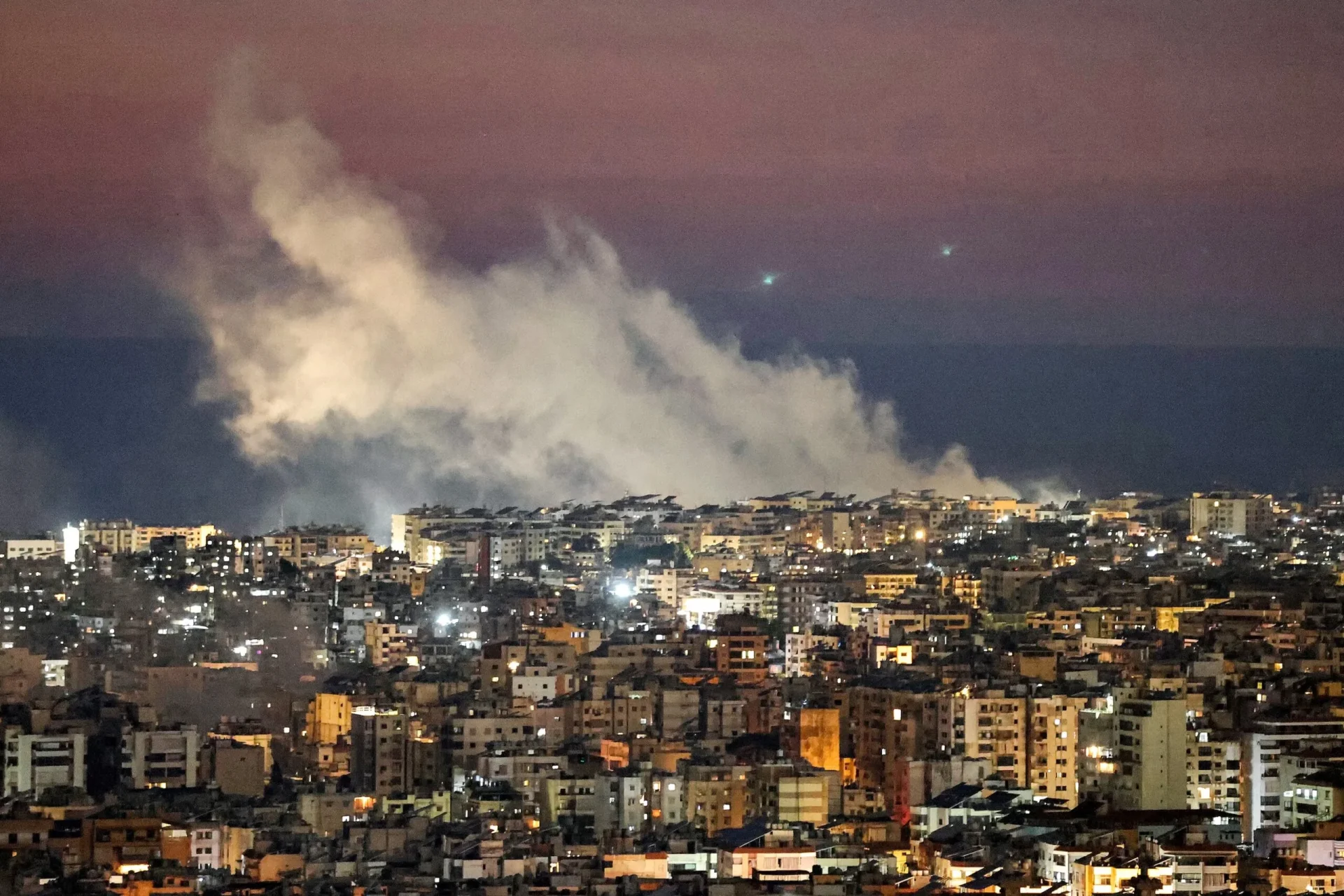
It was a normal Wednesday afternoon in Beirut. People were at work, in shops, driving through the city. Then, without any warning, air strikes suddenly hit multiple neighbourhoods in Beirut during morning rush hour, causing panic around the capital.

"We could hear a series of enormous, deep, booming explosions coming not just from the southern suburbs but many other parts of the city. Many of the locations were in places where nobody expected strikes to hit. It caused panic and chaos in the streets. Children were crying. People were shouting and many were injured, running through the streets trying to get to hospitals,"

reported Al Jazeera's correspondent from Beirut.

The strikes did not just hit one area. Air strikes targeted areas in Beirut, the Bekaa Valley, Mount Lebanon, Sidon, and several villages in southern Lebanon. Even a funeral was not spared. An Israeli airstrike hit a cemetery in the Bekaa Valley village of Shmestar during a funeral, killing at least ten mourners and wounding four others.

The People Caught in the Middle

"This is a residential area. There is nothing military here," said Mohammed Balouza, a member of Beirut's municipal council, standing at the scene of a strike in the central Corniche al-Mazraa neighbourhood where an apartment building behind a popular shop had been hit.

Lebanese Civil Defence spokesperson Elie Khairallah told the Associated Press that rescue workers found a wounded woman alive overnight in the seaside neighbourhood of Ain Mreisseh, and a man was found alive in his collapsed apartment building in the southern suburbs.

Mohammad Chehab, a Syrian man, said six of his ten family members had been found dead in a destroyed building.

People flee from their homes in Lebanon due to attacks

Image courtesy of Getty Images

Hospitals Overwhelmed & Could Not Cope

The hospitals were completely overwhelmed within hours.

The head of Lebanon's syndicate of doctors urgently called for "all physicians from all specialities" to head to any hospital they could to offer help. One of Beirut's biggest hospitals put out a public appeal saying it needed blood donations of all blood types.

Lebanon's Health Minister described the situation as catastrophic. Ambulances were still moving through the streets hours after the strikes ended.

The World Spoke Out, but Lebanon Is Still facing Attacks

Lebanese President Joseph Aoun called the attacks "barbaric." Madison Courier Lebanese Prime Minister Nawaf Salam said his country would file an urgent complaint with the UN Security Council, calling the attacks a "blatant violation" of international and humanitarian law.

UN Secretary-General António Guterres "unequivocally" condemned the Israeli attacks. But condemnation alone does not feed a family. It does not rebuild a home. It does not put food in the hands of a child sleeping in a shelter tonight.

Lebanon attacks are ongoing

The Bigger Picture, 40 Days of Destruction

The war in Lebanon did not start on 8 April, it resumed on 2 March 2026
The total death toll in Lebanon has now reached 1,739 people killed and 5,873 wounded
Israeli airstrikes have killed more than 1,530 people including over 100 women and 130 children
More than 1 million people have been displaced inside Lebanon
Over 200,000 people have fled across the border into Syria
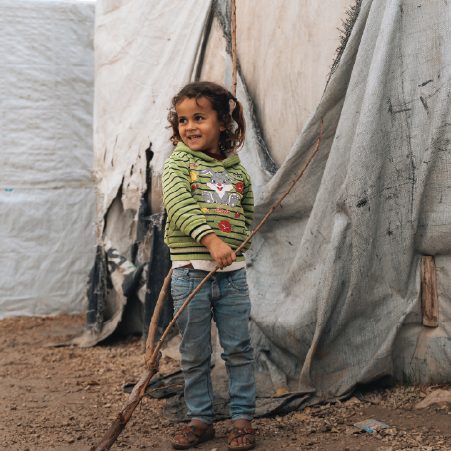
Those who fled left with nothing, many are now sleeping in schools, mosques and makeshift camps
Displaced families have no food, no clean water and no idea when they can return home

No Ceasefire for Lebanon

On the same day as these attacks, the world celebrated a ceasefire between the US and Iran. People in Beirut who had been sleeping in tents on the streets started packing their bags, hoping they could finally go home.

Then the bombs fell. Israeli Prime Minister Benjamin Netanyahu's office said the ceasefire did not include Lebanon, despite Pakistani Prime Minister Shehbaz Sharif, who mediated the deal, specifically stating that it would also take effect in Lebanon. For Lebanon's families, there is no ceasefire. The nightmare continues.

Al Mustafa Welfare Trust Is Here for Lebanon's Families

While governments argue over ceasefires, affected families are waiting for help right now.

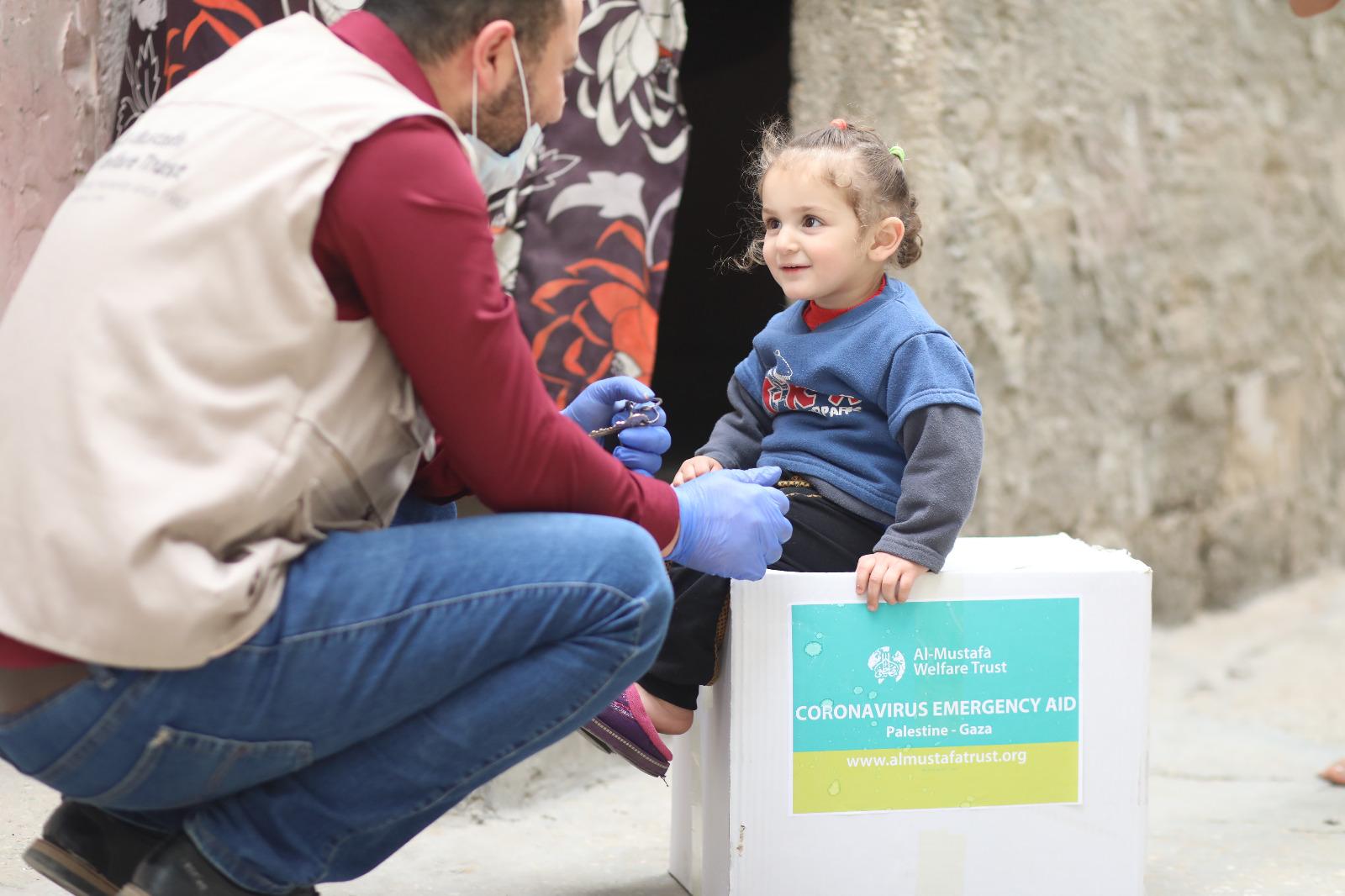
Al Mustafa Welfare Trust has been delivering humanitarian aid to the world's most vulnerable communities for over 40 years, and our teams are already responding to the Lebanon crisis. We are working to get emergency food, clean water, and essential supplies to displaced families who have lost everything. Every pound you give today goes directly to someone who needs it.

Related updates
Latest news & updates from AMWT®
View All News View our blog